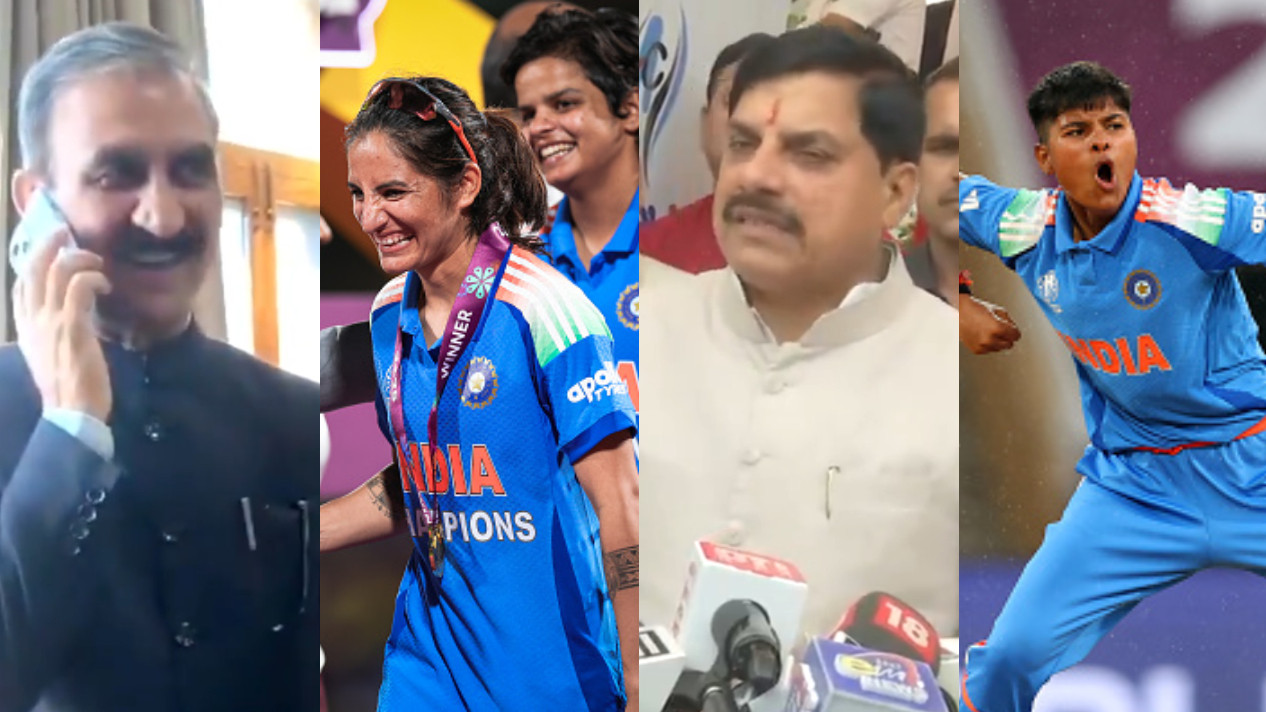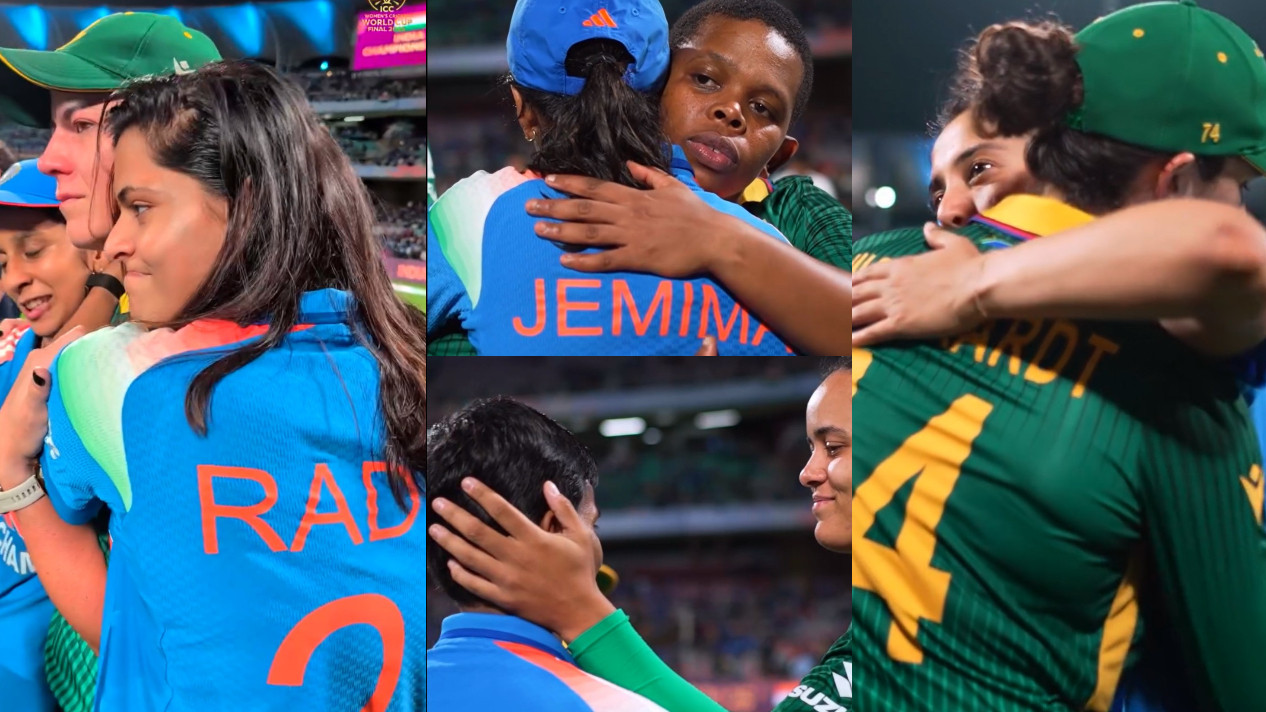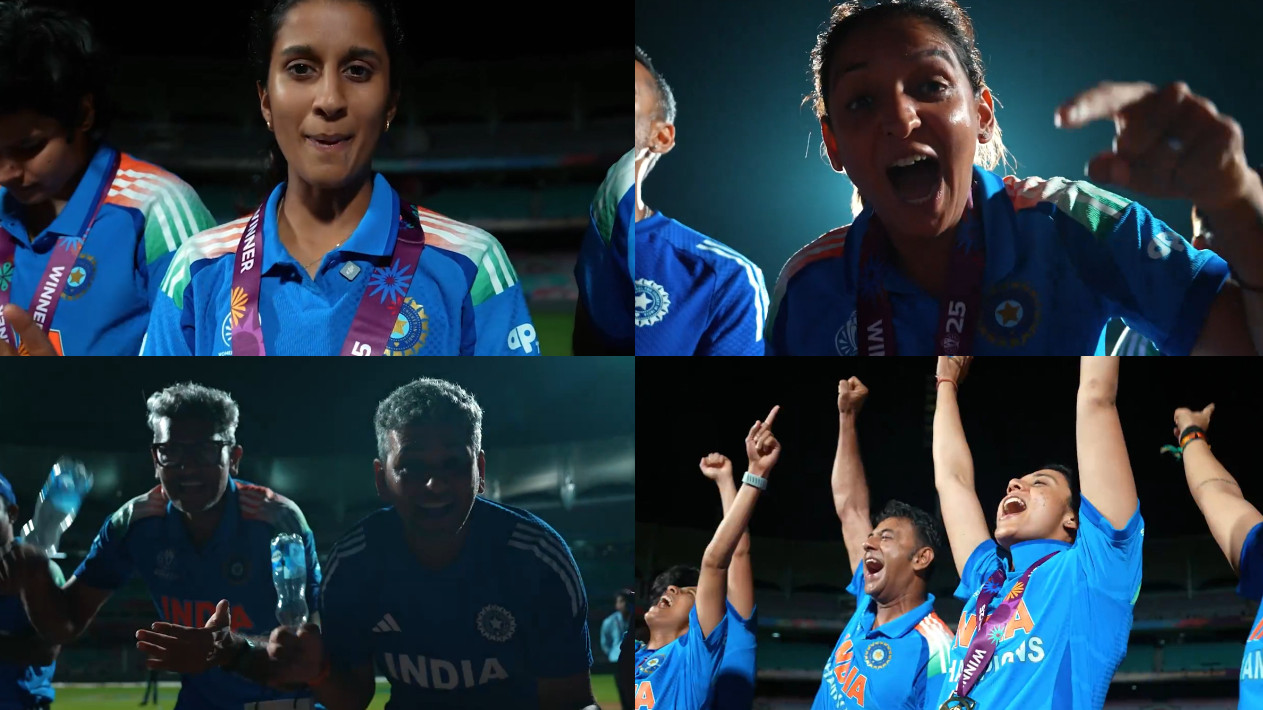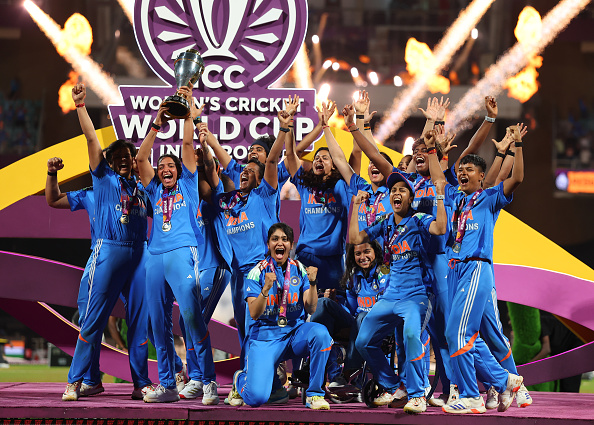
The Indian women’s cricket team lifted their maiden ODI World Cup trophy on Sunday (November 3), defeating South Africa in the final by 52 runs at DY Patil Stadium in Navi Mumbai.
Asked to bat first, India posted 298/7 on the board, courtesy of Shafali Verma’s 87, Deepti Sharma’s 58, and vital contributions from Smriti Mandhana (45) and Richa Ghosh (34).
During the chase, South Africa fought hard on the back of skipper Laura Wolvaardt’s superb 101, but a sensational spell from Deepti (5/39) helped India bowl out the Proteas women for 246 in 45.3 overs.
As India emerged victorious on the biggest stage, legendary spinner Ravichandran Ashwin claimed that the title was a feat even greater than the iconic 1983 and 2011 victories by the men's team.
Ashwin called it a "colossal achievement", citing that the women’s side didn’t just win a trophy but they redefined belief and broke barriers.
Speaking on his YouTube channel, Ashwin narrated an incident from eight years ago to highlight how far women’s cricket has come. He said that the Hyderabad Gymkhana Stadium was packed to watch Ambati Rayudu practising in 2017, yet few noticed that then India captain Mithali Raj was training at the same venue.
"Harmanpreet Kaur, from 2009 to the present, has set the ball rolling in many ways. Despite that, when he lost three games in the tournament, people raised questions about her captaincy. And I was surprised. To come from so far behind...Many years back, Ambati Rayudu was playing at the Hyderabad Gymkhana Stadium. It was in 2017/18, and he was already a sensation then, and hence the stadium was packed. However, nobody knew that Mithali Raj, then the captain of the Indian women's team, was practising at the same venue. And look where we have arrived now. I would truly rate this as an even bigger and more colossal achievement than any other World Cup that we have won, because it inspires girls to play the game and consider the sport as a career option," Ashwin stated.
The 1983 World Cup triumph was a monumental feat in Indian cricket history as it revolutionised the sport in the country.
Ashwin, however, challenged the notion that the 2025 Women’s World Cup win was the ‘1983 moment’ for the Harmanpreet-led side. He acknowledged that India’s first-ever Women’s World Cup victory will inspire many filmmakers, but advised them to move beyond the usual storytelling format.
"This is such a significant achievement that it can be adapted into a movie by directors and producers. But they have to change the way they tell the story. They cannot show that India won only because of 1-2 players. That's not possible. People will always talk about Smriti Mandhana, and Shafali Verma and Harmanpreet. But I want to see a story on Amol Muzumdar, on Shree Charani, and how she stood her ground. Remember, she wasn't part of the scheme until June. I would love to see such small stories told in an 8-episode documentary with passionate sports storytelling, because this is a truly special story," he added.