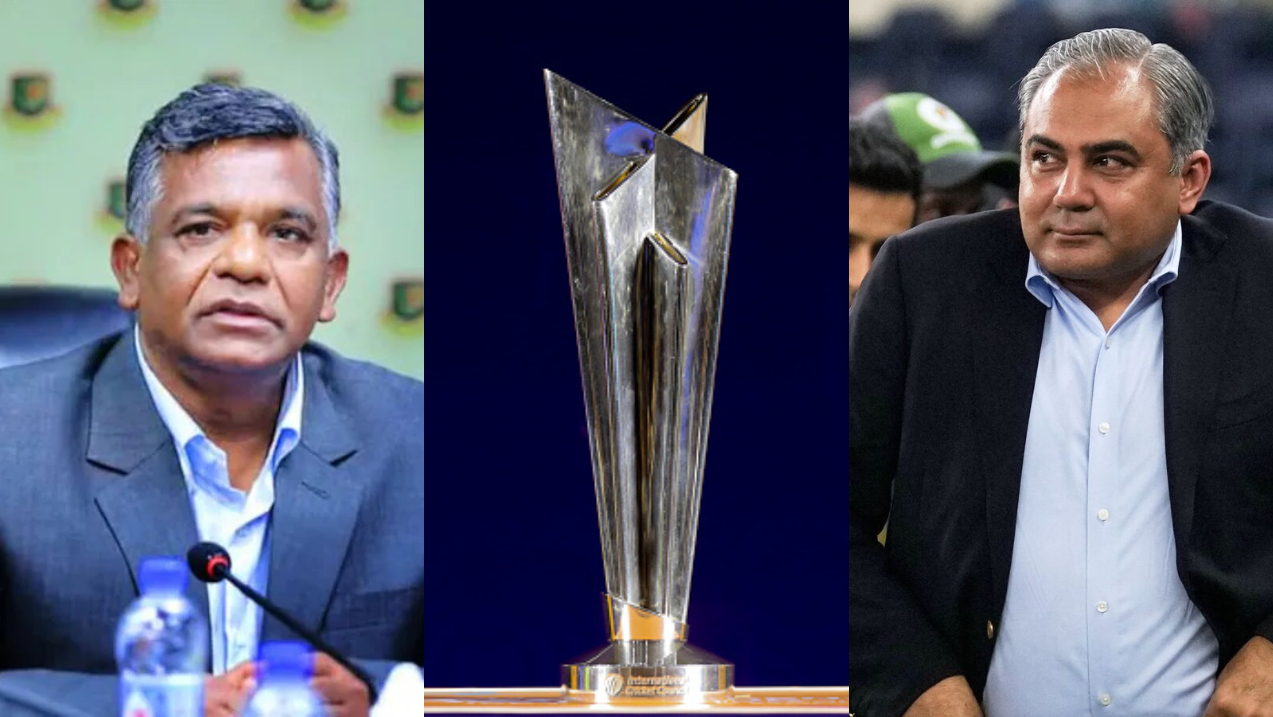
 Bangladesh Cricket Board (BCB) president Aminul Islam has landed in Lahore to meet Pakistan Cricket Board (PCB) chief Mohsin Naqvi hours before the International Cricket Council meeting with Pakistan over the team’s boycott of their T20 World Cup 2026 match against India.
Furthermore, reports have stated that the PCB and BCB have joined hands as ICC tries to find a solution and convince Pakistan to leave their boycott stance and play India on February 15 in Colombo, to ensure the most lucrative fixture of the tournament takes place.
As the ICC tries to contain a crisis that now jeopardizes the tournament schedule's integrity, ICC CEO Sanjog Gupta, Naqvi, and Bulbul are scheduled to attend the ICC meeting, which is anticipated to take place via Zoom later tonight.
Despite not visiting India for the 2026 T20 World Cup, India Today has reported that the PCB is attempting to mediate an agreement in which Bangladesh is also on the negotiating table.
On February 2, the Pakistan government announced that Pakistan will not play India in their Group A game in Colombo, giving the controversy more air that started with Bangladesh refusing to travel to India for the T20 World Cup citing security concerns.
Bangladesh had formally asked the ICC to shift its matches to Sri Lanka, the tournament's co-host, with the support of its interim government. A series of events began when the ICC denied the proposal and substituted Scotland for Bangladesh.
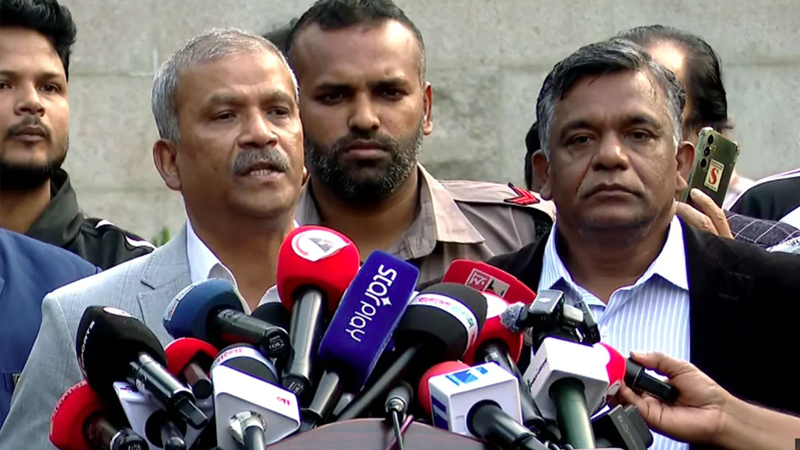 Meanwhile, Bangladesh’s Sports Adviser Asif Nazrul has publicly thanked Pakistan for backing Bangladesh’s stance against India.
“Thank you, Pakistan. Pakistan Prime Minister Shehbaz Sharif has said that his country has decided to boycott the match against India in protest of Bangladesh being excluded from the T20 World Cup,” Nazrul wrote on Facebook.
Following the overthrow of Sheikh Hasina's administration during the July–August 2024 movement, Muhammad Yunus led an unelected interim government of Bangladesh, and Nazrul is its sports adviser. Nazrul essentially serves as the nation's minister of sports.
Islam's visit to Lahore highlights how far the problem has gone beyond cricket and how challenging it may be for the international organization to maintain consistency without escalating an already tense situation, especially as the ICC is now being forced into crisis meetings with all parties.