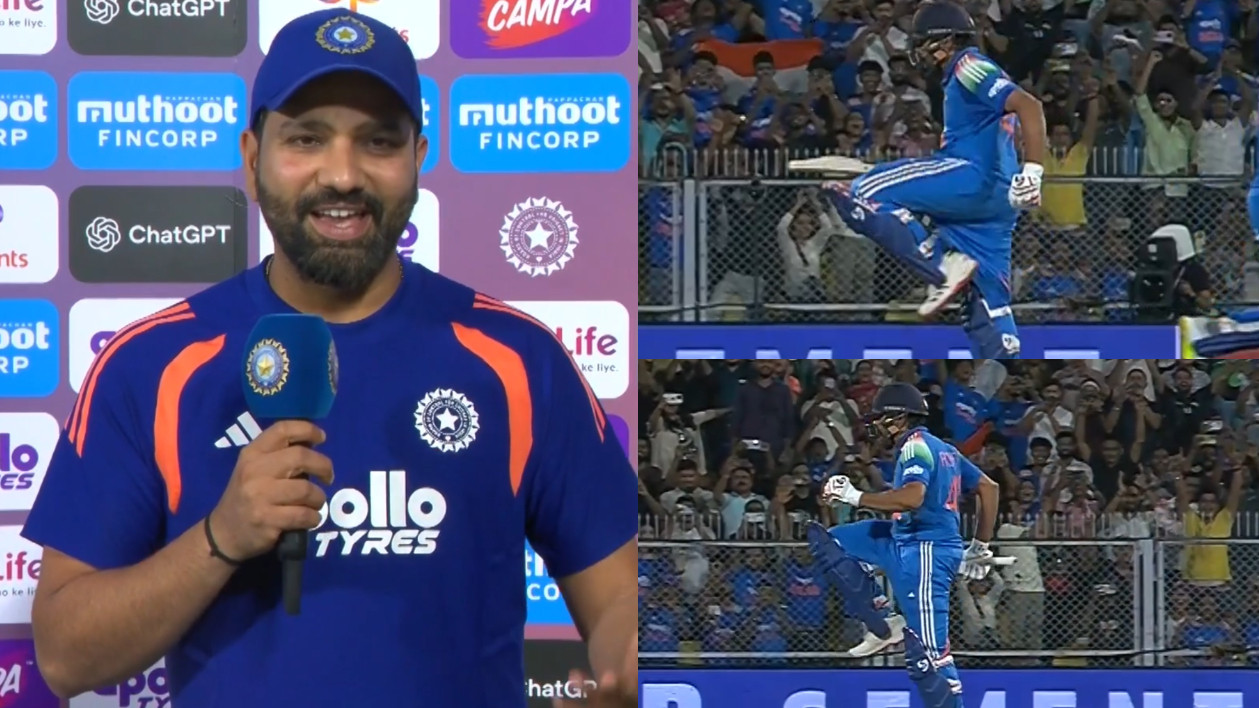
India registered a historic 8-wicket victory over the West Indies in the second ODI at the Barsapara Cricket Stadium in Guwahati on Wednesday (September 30).
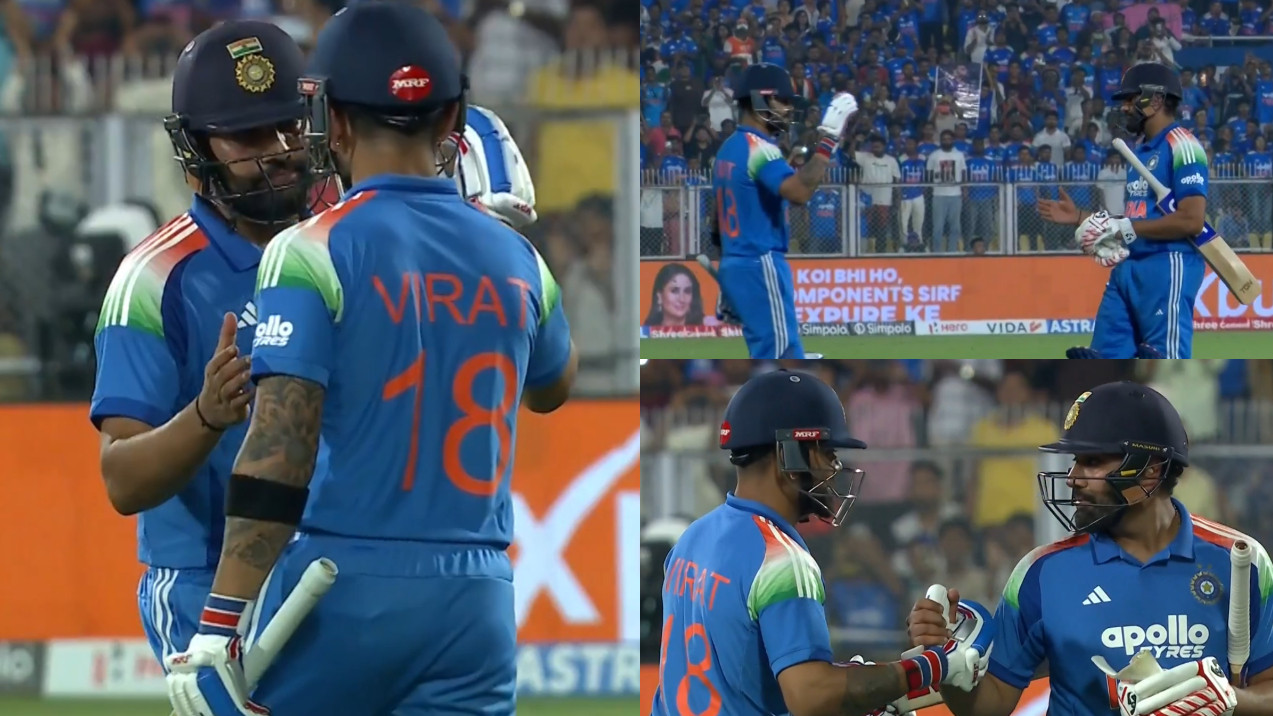
Chasing a daunting target of 406 runs, Shubman Gill provided the hosts with a blistering start as he added 255 runs for the opening wicket with Rohit Sharma. The Indian captain reached his 11th ODI century off just 62 balls.
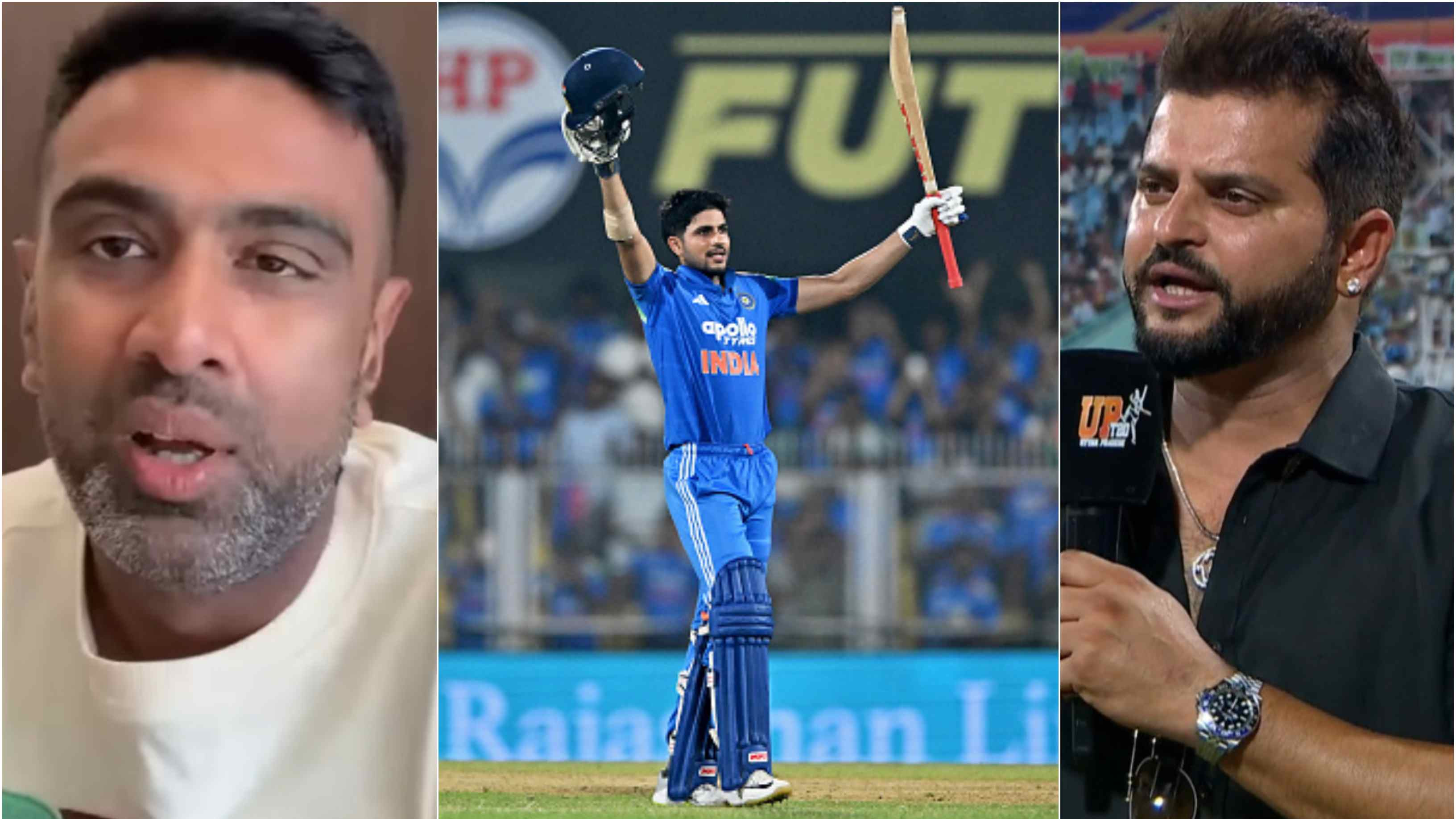
While Rohit was dismissed for 101 off 75 balls – his 35th ODI ton, Gill remained unbeaten on 223 off 133 balls to take India over the line with 39 deliveries to spare.
It was only the second time in ODI history that a team had hunted down a target of 400 or more, following South Africa’s iconic 438-run chase against Australia in 2006.
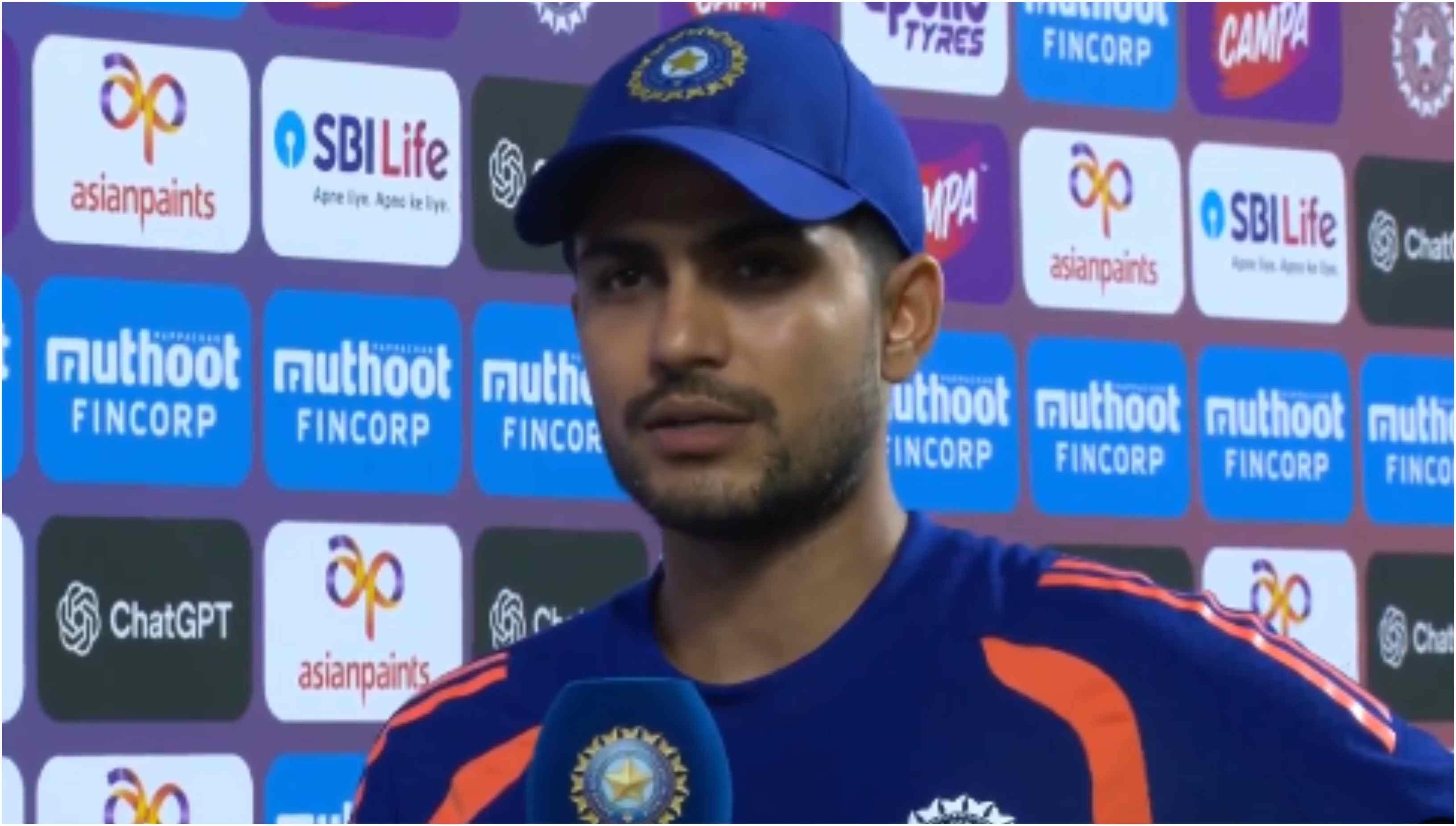
Speaking during the post-match presentation, Gill admitted that he was cramping after a demanding game played in intense heat.
“I think every part of my body is cramping right now, and it was very hot in the afternoon. When we had about 13 overs, it was feeling like we have already fielded for 20-25 overs, the way they were batting. So great game, I think,” Gill said after receiving the Player-of-the-Match award.
The skipper conceded that chasing 400 was always going to bring pressure but commended India’s performance and was pleased to stay unbeaten.
“At the halfway mark, 400 on the board, there was a bit of pressure on us. Never, no matter how good the wicket is, no matter how small the ground is, chasing 400 is never easy. So very pleased with the performance and very happy that I was able to stay till the end and finish the game for the team,” he stated.
Gill revealed that the team intentionally broke the massive target into smaller goals, aiming 75-80 runs in the powerplay and 200-210 runs by the 25th over. Once India reached 230-240 by that mark, he felt the pressure successfully shifted back onto the West Indies bowlers.
“Honestly, it's just about playing, I break the game into small parts. First, we had a target in the powerplay that if we get around 75-80 runs without losing any wicket, that would be a good start. Initially, the ball might do a bit with the new ball. Once the ball gets old, the wicket would get much better to bat on, and one side was very short, so we thought we're going to target that side whenever the fast bowlers come on. And at about 25 overs, I thought if we are around 200-210, we'll be in a good space. But I think we were around 230-240, and I think after the powerplay, the pressure never really was on us. It was more on them, and we didn't lose any wickets up until halfway through our innings, so that was a great bonus for us,” Gill remarked.
He also acknowledged that India’s powerplay bowling was not at its best but credited the visitors for their aggressive batting.
“I thought initially we didn't bowl that well in the powerplay, much similar to the first game as well. We didn't bowl well in the powerplay, and they batted with a lot of freedom. They batted quite well, and I think at one point it looked like they might get even 420-430. And to be able to pull the game back, even if it's 25-30 runs, was a bonus for us at the back end of the innings.”
Having gained an unassailable 2-0 lead in the three-match series, Shubman Gill didn’t rule out the chance of making changes to India’s playing XI for the final ODI in New Chandigarh on October 3.
“[On whether India could make changes for the final ODI after clinching the series] Yeah, maybe. I definitely want to give the players who haven't had a chance, give them a chance, and hopefully we'll see what combination suits us and they'll get some chance,” he concluded.