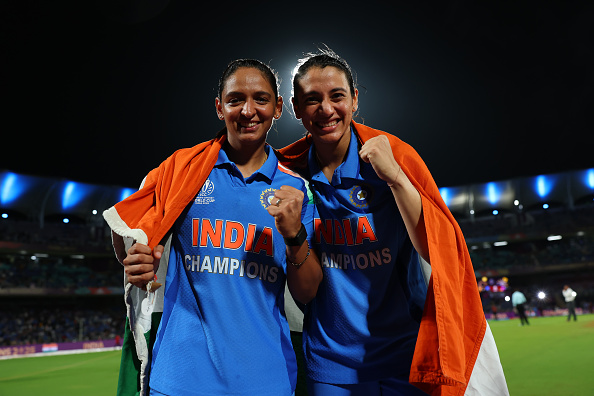
BCCI President Mithun Manhas believes former captain Harmanpreet Kaur will be a major asset for Smriti Mandhana in the ongoing leadership transition for the Indian women’s cricket team.
Earlier this month, Mandhana was named India’s all-format captain, succeeding Harmanpreet, who stepped down after nearly 10 years in the role.
Acknowledging that captaincy can be complex and confusing regardless of experience, Manhas emphasized that having Harmanpreet close to the decision-making will help Mandhana navigate difficult on-field situations as she settles into her new role.
Mandhana's first assignment as full-time captain begins on October 16, with a home white-ball series against Zimbabwe.
“I have always believed that the baton should be passed on when you have somebody senior around to guide them,” Manhas told Sportstar in an exclusive chat. “Because captaincy is not easy, no matter how experienced you are.”
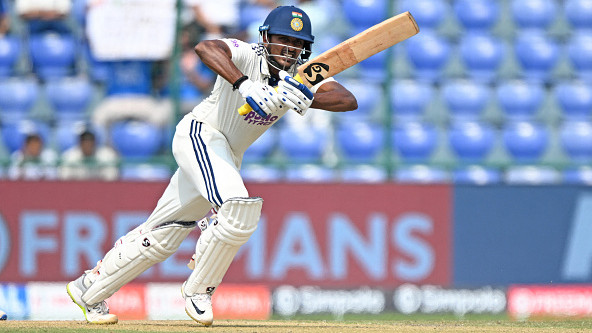
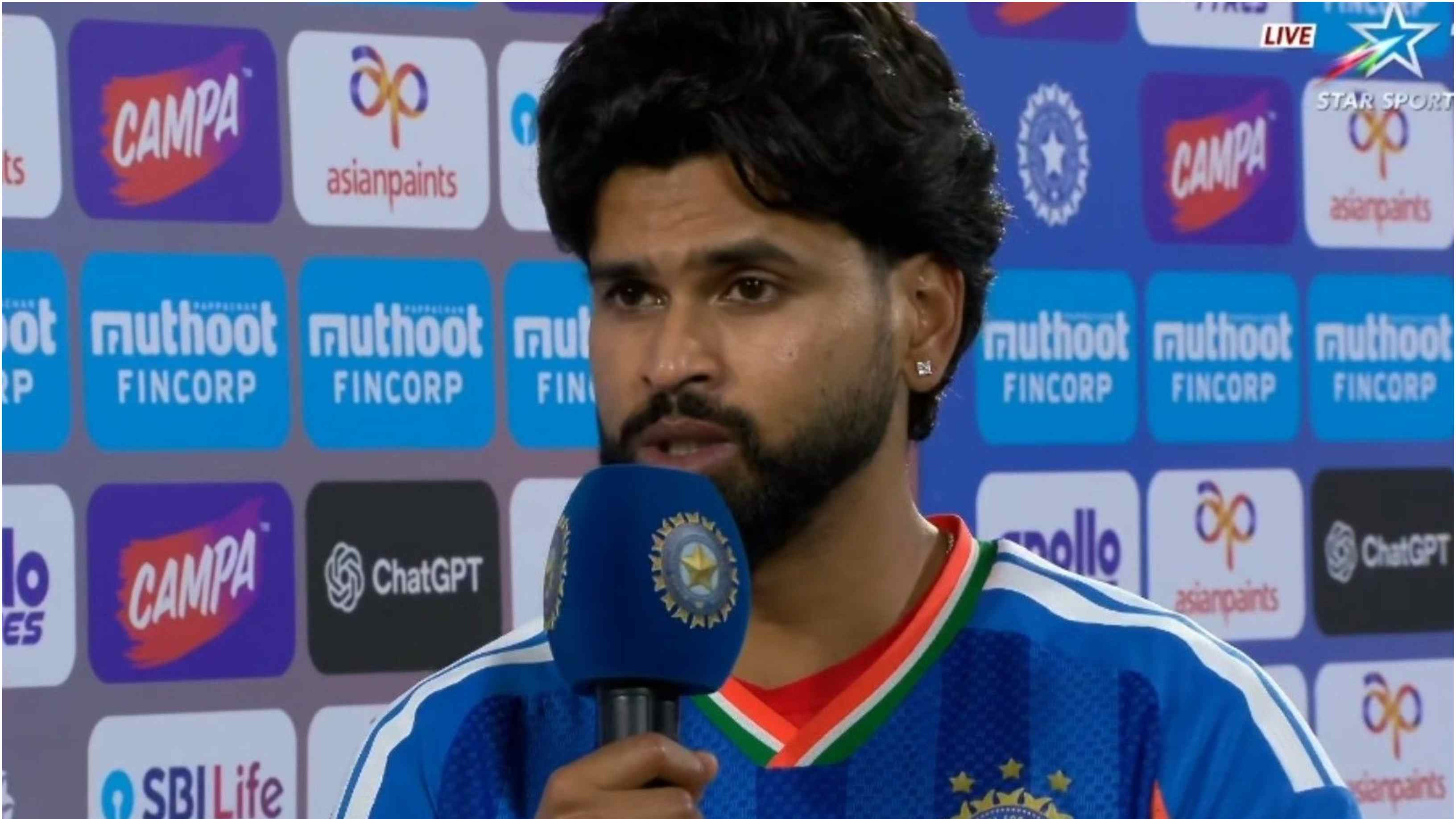
Manhas highlighted that Indian cricket has traditionally relied on a succession model where a senior figure remains in the squad to guide the incoming leader. He traced this successful template through the men's team, noting how Sourav Ganguly supported MS Dhoni, who later did the same for Virat Kohli and Rohit Sharma, a pattern that now continues with Shubman Gill.
“This transformation has helped Indian cricket in a big way,” the BCCI chief said. “There will be situations when you have to make decisions and you are confused. So, I think Harmanpreet will be an asset for Smriti.”
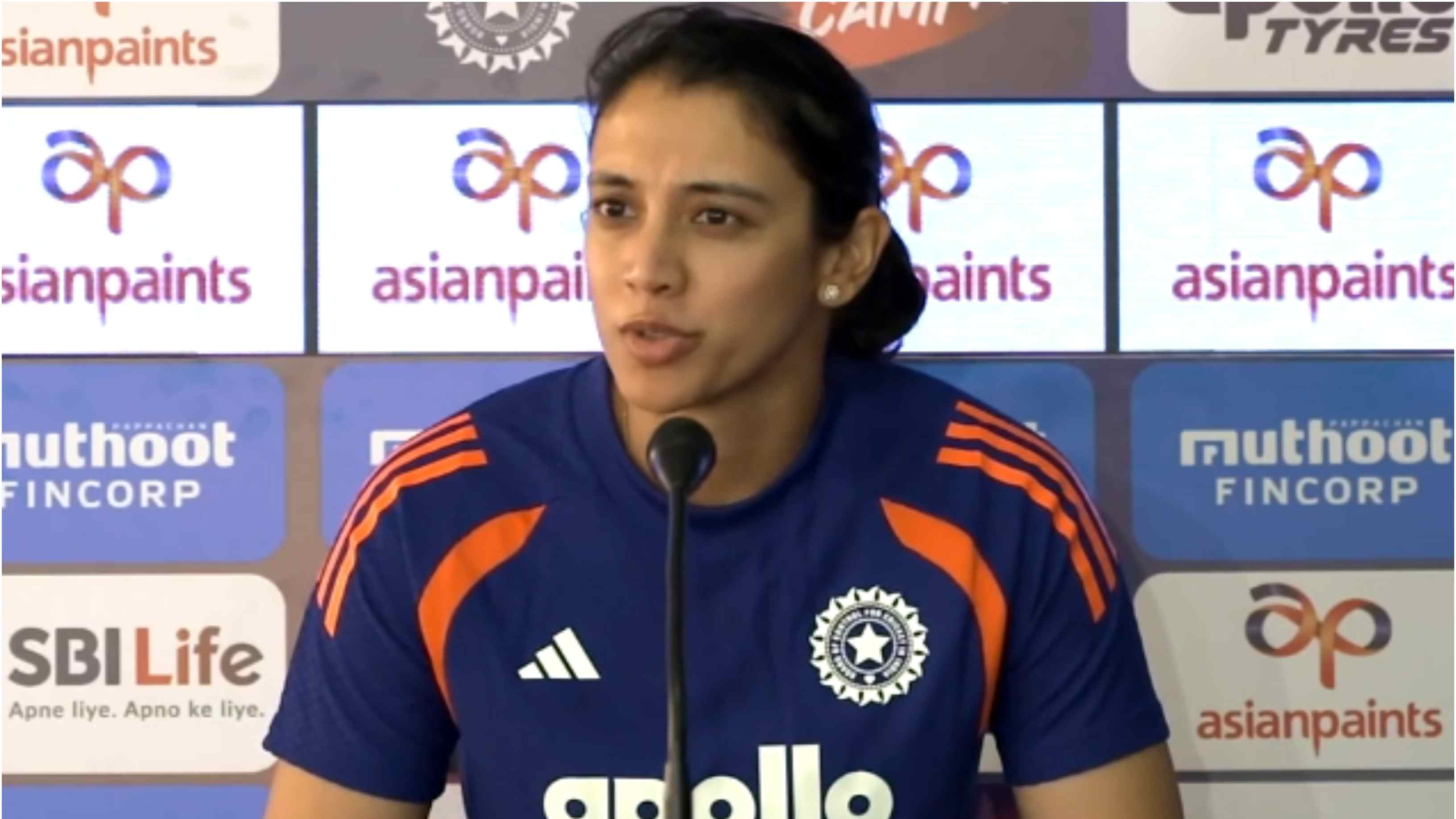
Meanwhile, Smriti Mandhana has expressed total confidence in stepping up to the top job, noting that it won't be a jarring change due to her long-standing presence in the core leadership group.
“I have been the vice-captain for the last almost 10 years. So, I have been part of the leadership role, and I wouldn’t say it is an extremely new thing. But for sure, it is something to look forward to, and hopefully, I can do justice to the role,” Mandhana said while speaking to the media on Wednesday (October 14).
The southpaw affirmed that wearing the captain's armband will not change her batting style, stating she will continue to trust her instincts and attack balls in her zone.
“I have become a captain on the field; there should be no changes in my batting. My coach used to tell me when I was 15 years old, ‘Whenever you bat, always think you are the captain. You always take that responsibility, and those things have never changed. If the ball is in the zone, I will still go for it. I will still play whatever (way) the team needs (me) to,” she added.
Having already led India in 18 T20Is and 4 ODIs as a stand-in skipper, Mandhana is well-accustomed to the pressures of international captaincy. Outside of the national setup, her leadership credentials are stellar, notably having guided Royal Challengers Bengaluru to two Women's Premier League (WPL) titles.