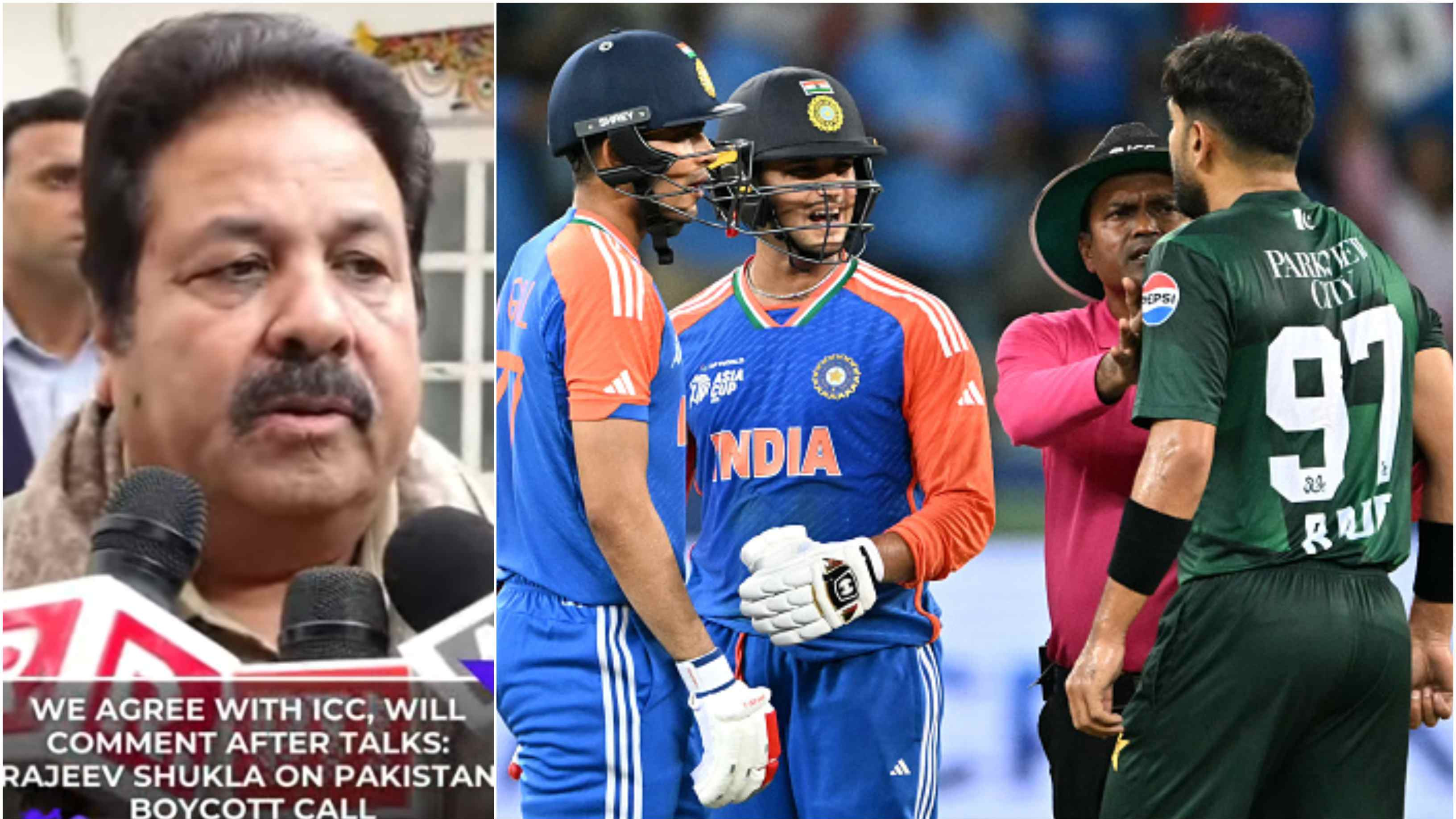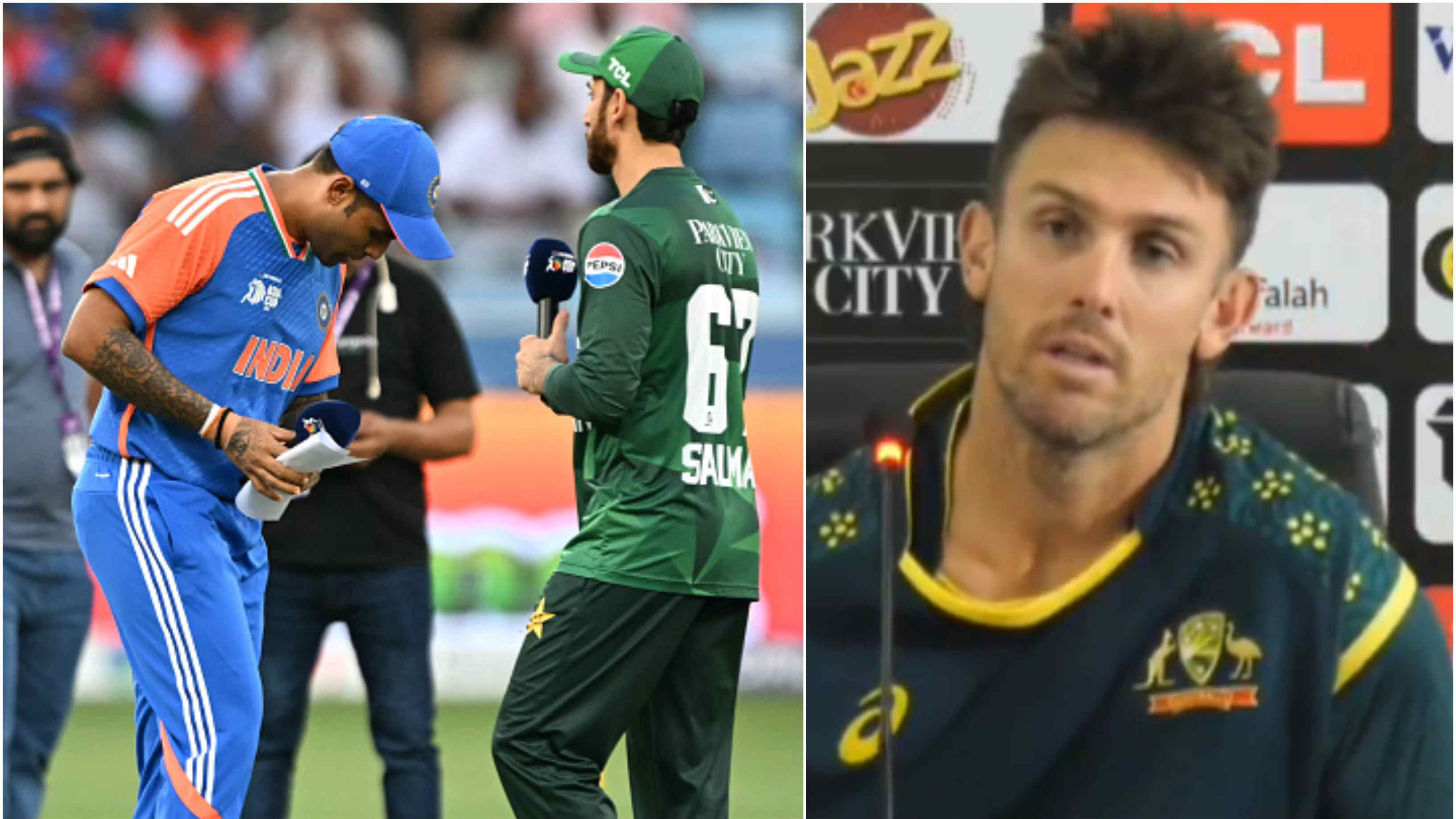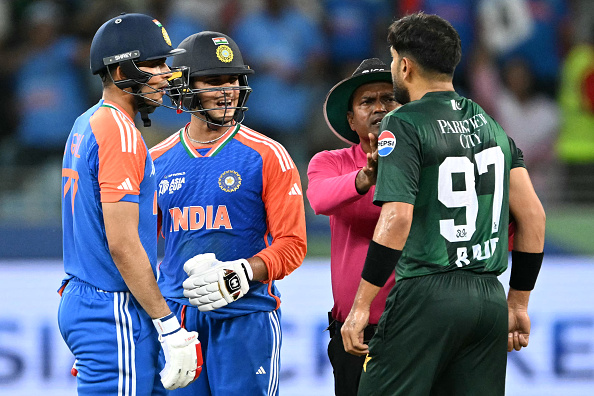
The Pakistan government has granted permission for its national team to participate in the ICC Men’s T20 World Cup 2026 but has instructed them not to take the field for their group-stage clash against India.
The arch-rivals are slated to square off on February 15 at the R Premadasa Stadium in Colombo. The marquee fixture is estimated to generate a considerable portion of the tournament's global sponsorship and broadcast revenue. However, the fate of the encounter is now in serious doubt following the Pakistan government’s announcement.
Pakistan’s decision followed the ICC’s removal of Bangladesh from the 20-tournament after BCB refused to play in India over security concerns. Bangladesh remained firm on its stance of not playing on Indian soil, leading the apex body to replace them with Scotland.
Speaking to TOI, former Pakistan wicketkeeper Rashid Latif offered a blunt assessment, saying the ‘boycott’ move has been made keeping in mind the long-term consequences and it could resurface across multiple ICC events.
“Pakistan generally don’t take such decisions. The PCB is not even scared of sanctions. It will have a big impact. There is a Women’s T20 World Cup in England this year, and Pakistan might play India there as well. Then there is a Champions Trophy in 2028, hosted by India. So this will not end here. It seems that Pakistan has taken this step after a lot of thought,” Latif said.
Latif pointed out that relations between BCCI and PCB had appeared stable until recently, but Bangladesh’s ouster from the T20 World Cup led to this escalation.
“Till now, everything was going well. Pakistan and India both agreed that we would play in a hybrid model for the next three years. The Asia Cup happened in Dubai. Pakistan’s women’s team played in Sri Lanka in the Women’s ODI World Cup. Everything was going well, but things have changed since the Bangladesh episode happened,” Latif stated.
Pakistan had voted in favour of taking Bangladesh’s matches out of India at the ICC board meeting last month.
“Pakistan is standing with Bangladesh. It was not like this in the past,” Latif added.
Meanwhile, the ICC has issued a formal statement, citing that selective participation will not be allowed. While it is still waiting for official communication from the PCB, the global body has warned Pakistan about the long-term impact this decision could have on world cricket.
Latif explained why a prolonged impasse would affect more than just India and Pakistan. “Whether it is in India or Pakistan, 60–70 percent of people watch the World Cup because of India–Pakistan matches... You know how powerful broadcasters are. They will find some solution,” he said.
“Now that Pakistan has joined, it will impact Australia and England financially as well. The businessmen are above our governments. Now the game has gone out of their hands.”
If the Men in Green fail to take the field against India on February 15, the match will be ruled a forfeit under ICC rules, resulting in an automatic loss of two points and a hit to their net run rate.
Rashid Latif believes compromise is the need of the hour, else the repercussions could be disastrous for world cricket.
“If not, then it is a disaster for world cricket. There is always backdoor diplomacy. In 24 hours, anything is possible,” he concluded.