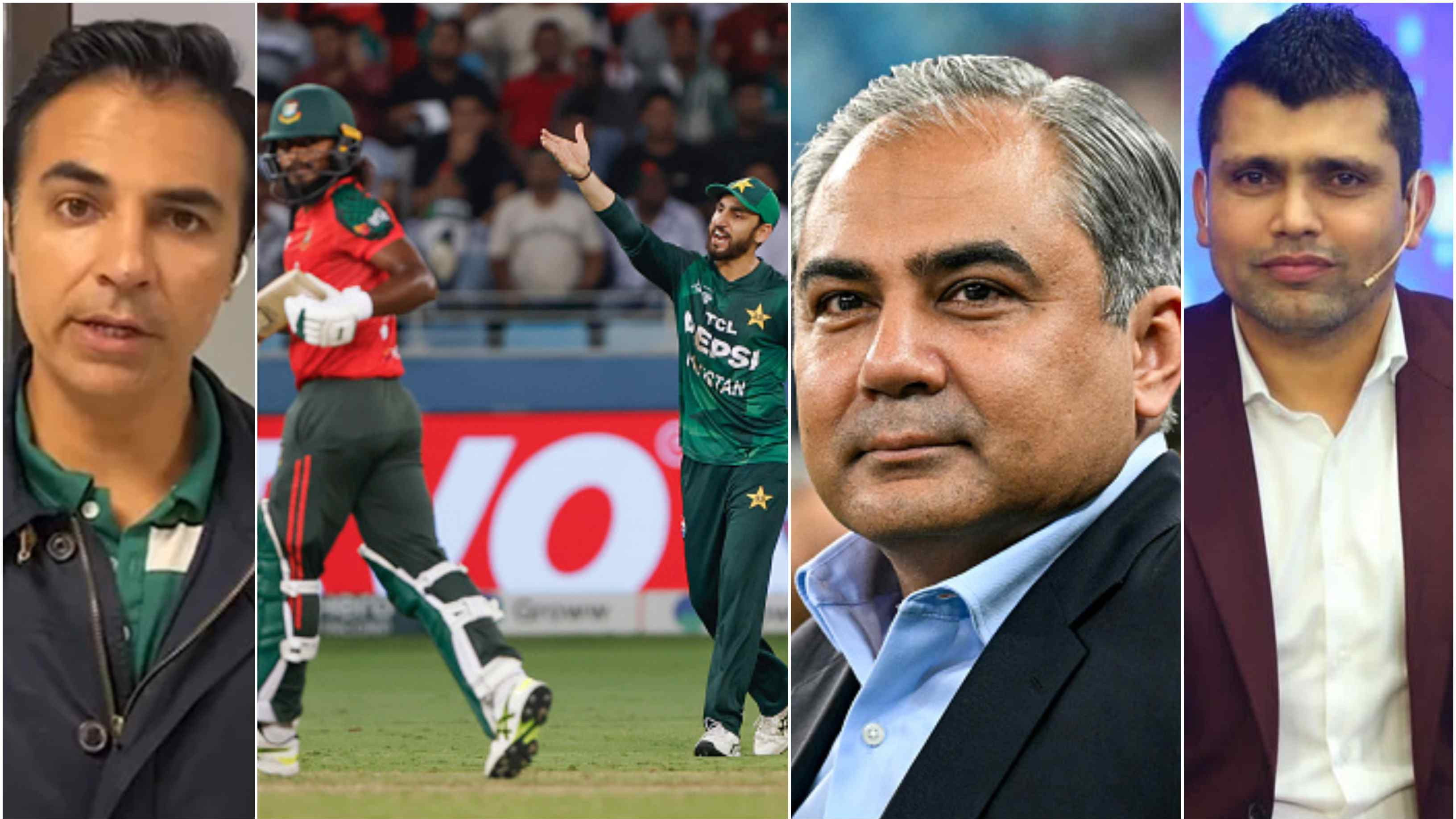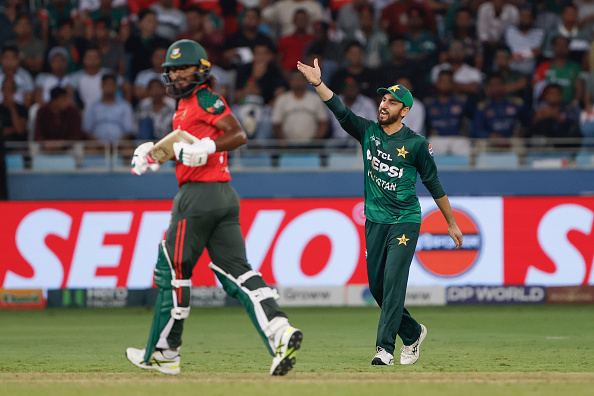
The ICC Men’s T20 World Cup 2026 is less than 20 days away, but it's still unclear whether Bangladesh will participate in the global showpiece. For three weeks, the BCB has been adamant in its demand not to play in India.
This stand was taken after the IPL franchise KKR released Bangladesh pacer Mustafizur Rahman from their squad on BCCI’s instructions. The Indian board’s move came amidst reports of atrocities on minorities in the neighboring country.
Amid the growing tensions between BCB and ICC, the PCB has reportedly entered the scene, backing Bangladesh's stance of refusing to play their T20 World Cup matches in India due to "security concerns".
The ICC Board is scheduled to meet on Wednesday (January 21) to take a final call on Bangladesh's participation in the T20 World Cup, including whether the team will travel to India for the tournament starting February 7.
The Bangla Tigers are scheduled to play all four of their group-stage fixtures in India (three in Kolkata and one in Mumbai).
On the eve of the ICC meeting, the PCB wrote to the apex body stating that it supports the BCB's stance, citing political instability in the region and has copied all ICC Board members on the letter, according to 'ESPNCricinfo'.
During the meeting with ICC representatives in Dhaka over the last weekend, the BCB reportedly proposed the idea of a group swap with Ireland, who are scheduled to play all their preliminary matches in Sri Lanka. The global body is understood to have rejected the request, stating that India pose no security threats to the Bangladesh team.
The discussion reportedly concluded with the ICC telling the BCB to take decision on its participation by January 21, or else be replaced in the tournament by another team.
While the PCB is yet to issue a public statement on the matter, board sources have revealed that the Bangladesh government had contacted Pakistan for support in the ICC.
Pakistan will be playing all their T20 World Cup 2026 matches in Sri Lanka under a hybrid model agreement with the BCCI and ICC till 2027.
(With PTI Inputs)