India pacer Akash Deep has summed up visitors’ bowling performance on day one of the second Test against New Zealand. This game began on November 27, 2026, at the Hagley Oval in Christchurch. India captain Shubman Gill won the toss and chose to bowl first.
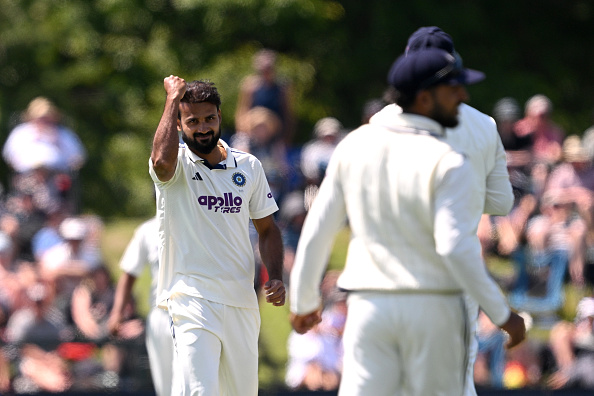
After managing a pair in the first Test, captain Tom Latham compiled a steady 59 before being dismissed by Akash Deep, while Devon Conway scored 31 before debutant Gurnoor Brar trapped him LBW. Although New Zealand lost a few wickets in the middle session, Tom Blundell (53*) and Glenn Phillips (36*) guided the team to 246/5 by stumps on day one.
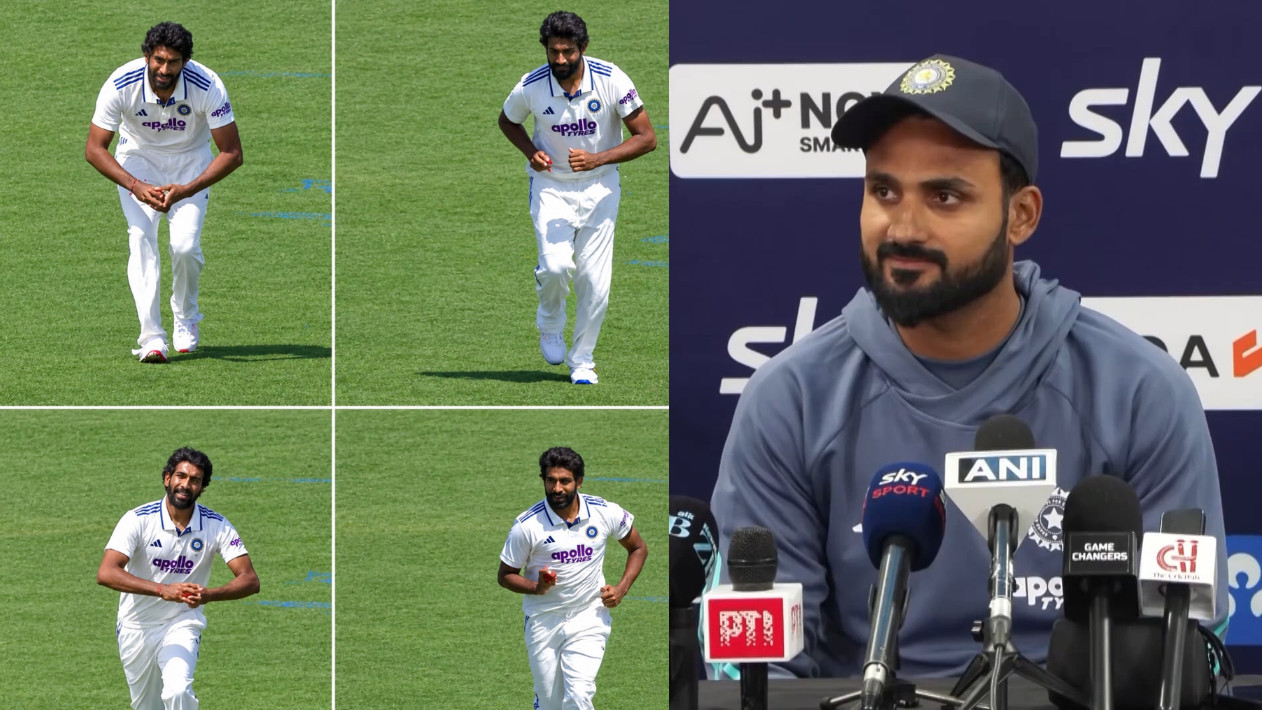
Akash Deep, who ended up taking two wickets, pointed out that India could have done better on Day one but added that their approach to bowl into good areas post-lunch instead of focusing on picking up wickets paid off.
"In the first session, there was some moisture in the ball, and it wasn't coming on to the bat with much pace, so the edges weren't carrying. Early on, we were also moving the ball a bit too much. After lunch, we decided to focus on bowling in good areas and being patient. That was our plan, and it helped us pick up three wickets. Overall, it was a pretty good [day], but we could have done better. But it's okay," noted Akash Deep in the post-day press conference, as quoted by Cricbuzz.
According to the fast bowler, his personal focus was always to challenge the batsmen as much as possible since the pitch conditions were very favorable for the bowlers during the first day.
"We knew it was the first day, and there was assistance for the bowlers, so we wanted to make the most of it. My focus was on making the batter play as many deliveries as possible. I bowled five or six overs in my first spell and tried to get the batter playing at 80-90 percent of the deliveries. It's not easy for a fast bowler to maintain that, because sometimes you try to hit the stumps, but your line can drift a little,” Akash said.
Akash Deep felt the conditions became more favorable for batting as the ball got older, leaving the bowlers with the additional responsibility of containing runs while continuing to look for wickets.
"As the ball gets older, batting becomes a little easier, and it gets tougher for us. We have to keep the runs down as well, because we don't want to let the opposition get away. We can't always attack; we have to balance that with controlling the scoring. Once a batter gets set, he finds it easier; a new batter finds it difficult. That's how the game goes in these conditions,” he added.
Gurnoor Brar, who made his Test debut for India in this match, and Anshul Kamboj, along with Washington Sundar, picked one wicket each, apart from Akash Deep.