The International Cricket Council (ICC) has shelved its plans to launch a global franchise T20 tournament, effectively blocking a potential revival of a Champions League T20-style format.
The decision to halt the proposal comes after firm opposition from cricket's "Big Three" boards -- the Board of Control for Cricket in India (BCCI), Cricket Australia (CA), and the England and Wales Cricket Board (ECB).
A report published in The Guardian indicate that the ICC will not introduce a World Club Championship or any other multilateral tournament until 2031 at the earliest.
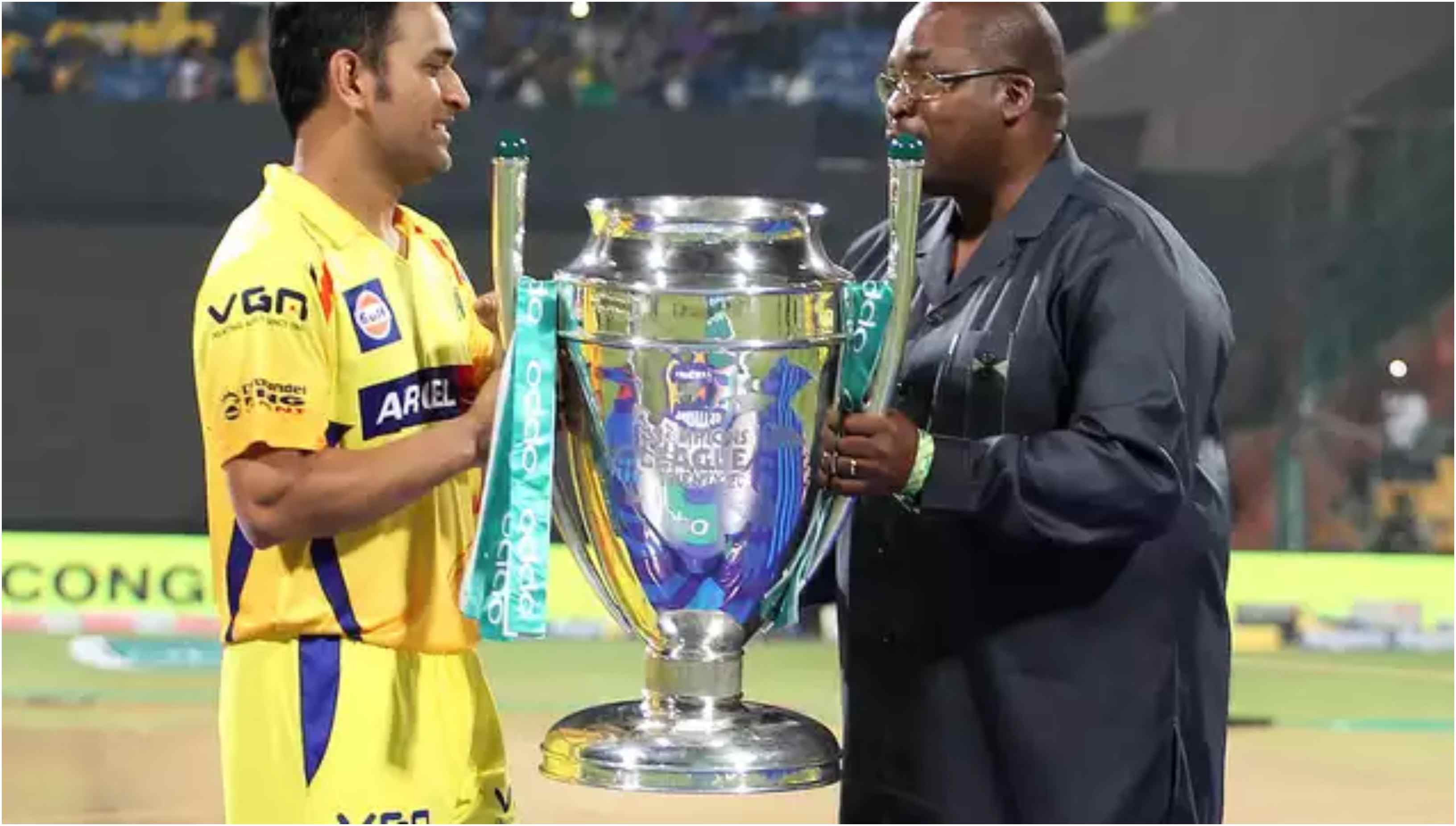
The Champions League Twenty20 ran for six seasons between 2009 and 2014. It functioned as an elite cross-border club competition, pitting top domestic squads from tournaments like the Indian Premier League (IPL) and the Big Bash League (BBL) against each other.
Despite its initial popularity among core fans, the tournament was discontinued in 2015 due to a combination of low viewership, poor commercial returns, and unsustainable financial losses.
However, some administrators believed the current, highly mature global T20 market was ripe for a re-evaluation. The ICC saw it as an opportunity to take control of the game and increase its revenues.
The global governing body considered introducing quadrangular T20 competitions in bilateral windows, but it got pushback from India, Australia, and England boards. The member boards argued that there is simply no space in the upcoming Future Tours Programme (FTP) cycle (covering 2027 to 2031) to squeeze in another major event.
To safely accommodate a global club competition, the Big Three suggested that the ICC would need to trim down its existing marquee tournaments, such as the ODI World Cup, T20 World Cup, or the Champions Trophy. Because reducing those flagship events was a non-starter, the proposal collapsed.
As a result of this deadlock, the next FTP cycle will closely mirror the current structure, with the only anticipated adjustment being an expanded World Test Championship.
The ICC faces a critical commercial turning point due to a contracting media rights landscape in India. The Indian market is a massive financial engine for global cricket, traditionally contributing nearly 80% to 90% of the ICC's total broadcast and commercial revenues.
So, the apex body wants to introduce more tournaments and grow the game, but the big three’s refusal suggests they are not willing to give up the power they currently hold.