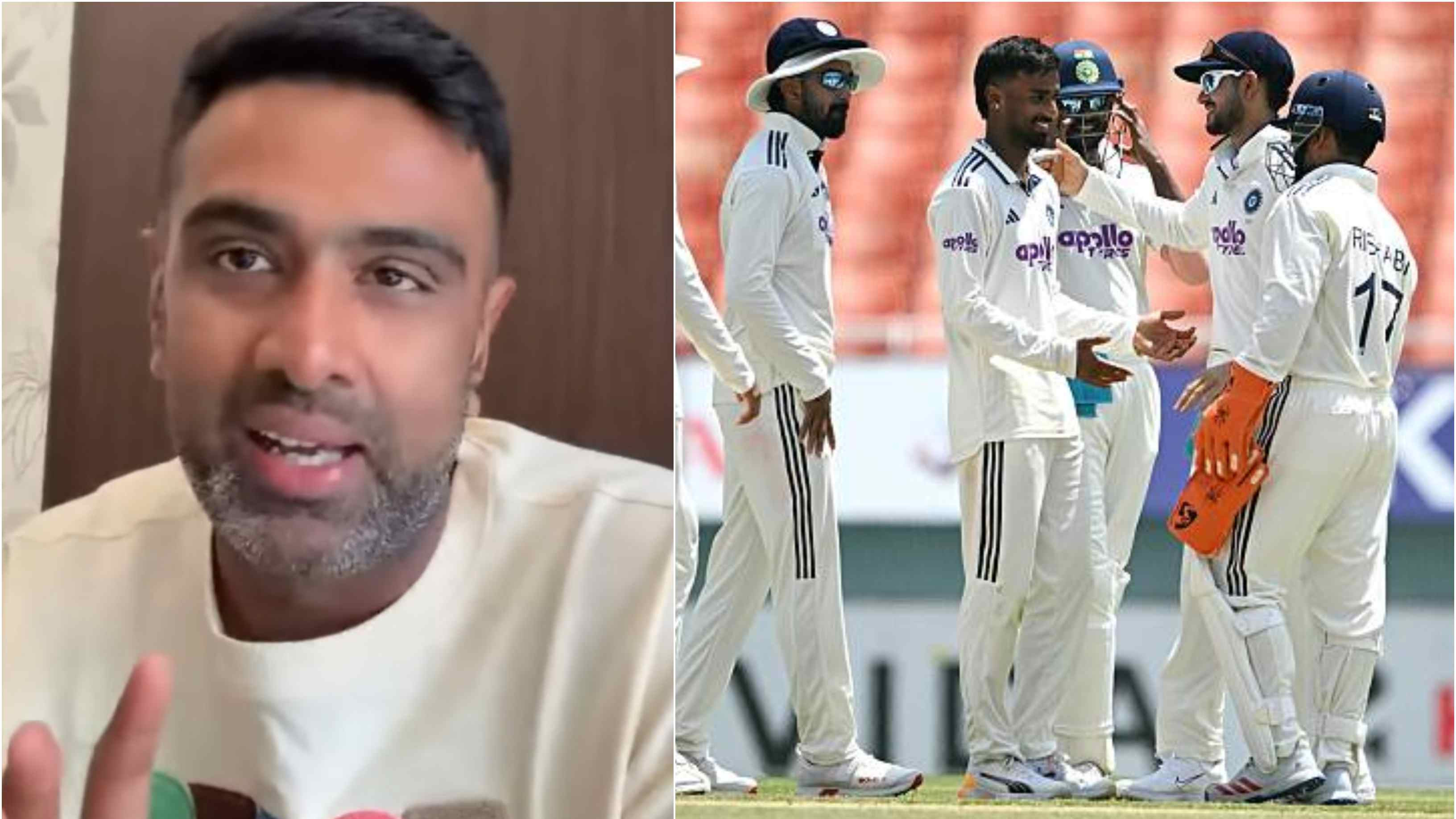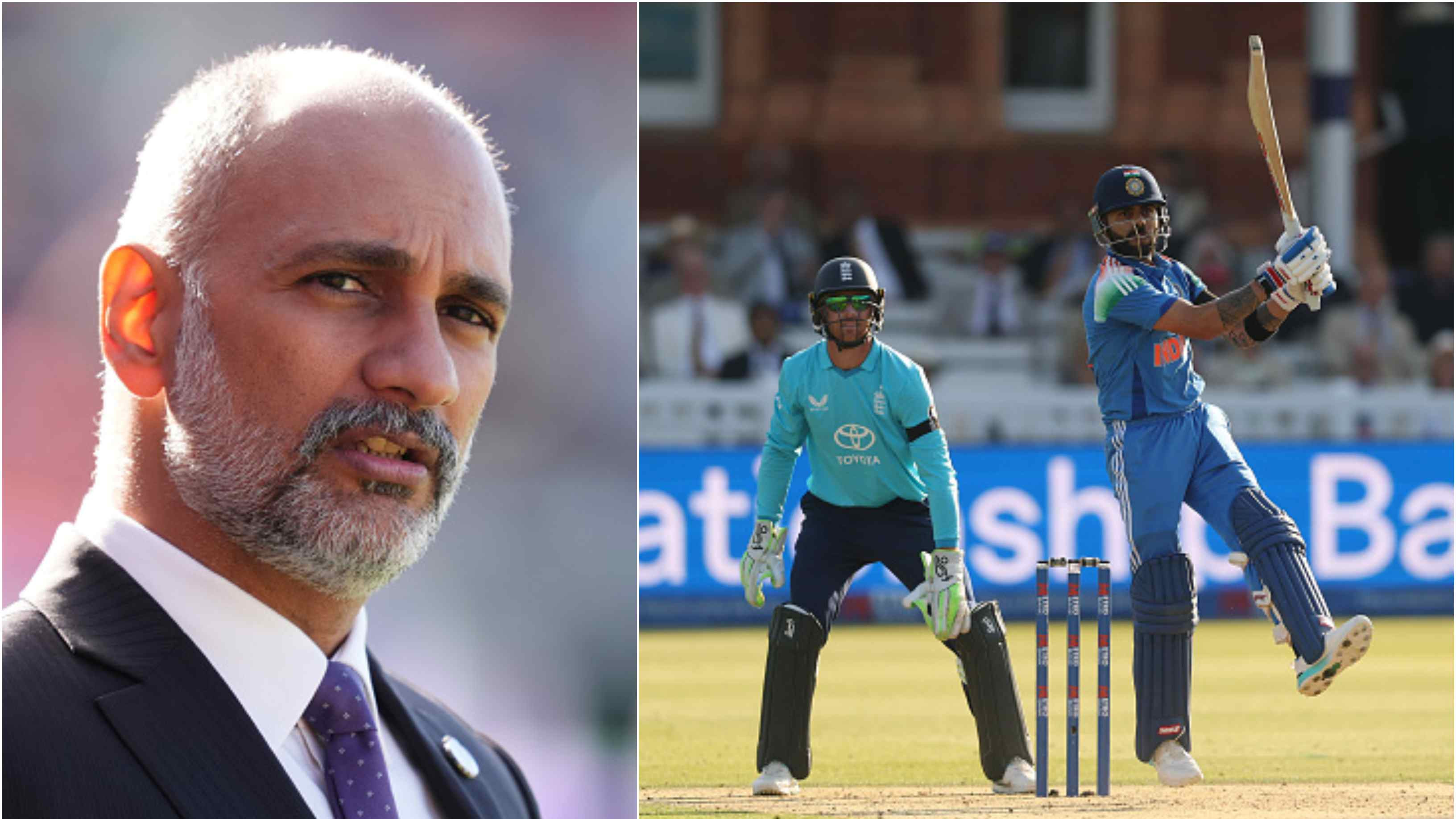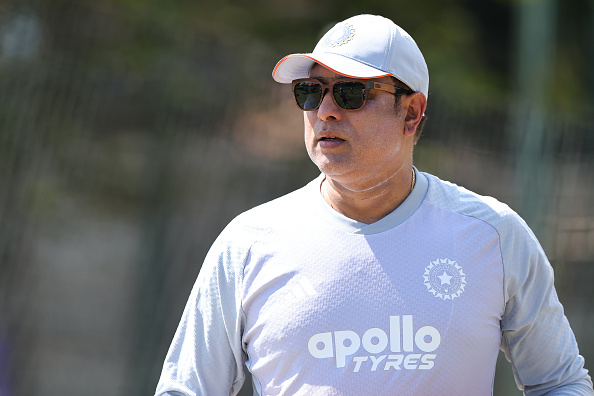
Former India batter VVS Laxman is the frontrunner to take over the newly proposed Director of Cricket role within the Board of Control for Cricket in India (BCCI), India Today reported.
This operational shift comes ahead of an anticipated structural shake-up and high-profile position reviews scheduled for the BCCI's Annual General Meeting (AGM) in September 2026.
Laxman currently serves as the head of the BCCI’s Centre of Excellence (CoE) in Bengaluru, where he oversees player rehab, high-performance programs, and regional talent pipelines. Moving into the Director of Cricket capacity would transition him from ground-level academy management into a master administration and strategic oversight position.
In this role, Laxman will act as a central bridge connecting the senior national team, regional coaching units, selection panels, and development programs.
The timing of these structural reshuffle is tied to the conclusion of current chief selector Ajit Agarkar's tenure in September 2026. However, the report suggested that Agarkar’s contract could be extended until June 2027.
While the BCCI has not finalized the appointment, Laxman is heavily linked to the designation because of his increasing involvement in Indian cricket beyond the CoE.
Laxman has often stepped in as India's stand-in coach when the primary coach is rested. Serving as interim coach, he recently guided India to 3-0 T20I series sweep over Zimbabwe in Harare.
The creation of a Director of Cricket structure indicates India is moving toward an integrated managerial system similar to models used by the England and Wales Cricket Board (ECB).
The role could involve creating tactical blueprints for major international assignments, managing strict injury rehabilitation, physical workloads, and systemic pipeline alignment from junior age groups to senior international levels.
Laxman had earlier been considered a strong candidate to replace Rahul Dravid as India's head coach in 2024, but he chose to continue heading the Centre of Excellence after its reformation. Since then, he has played a critical role in developing India's player pathway and recently defended the CoE's wider purpose amid questions over recurring injuries.