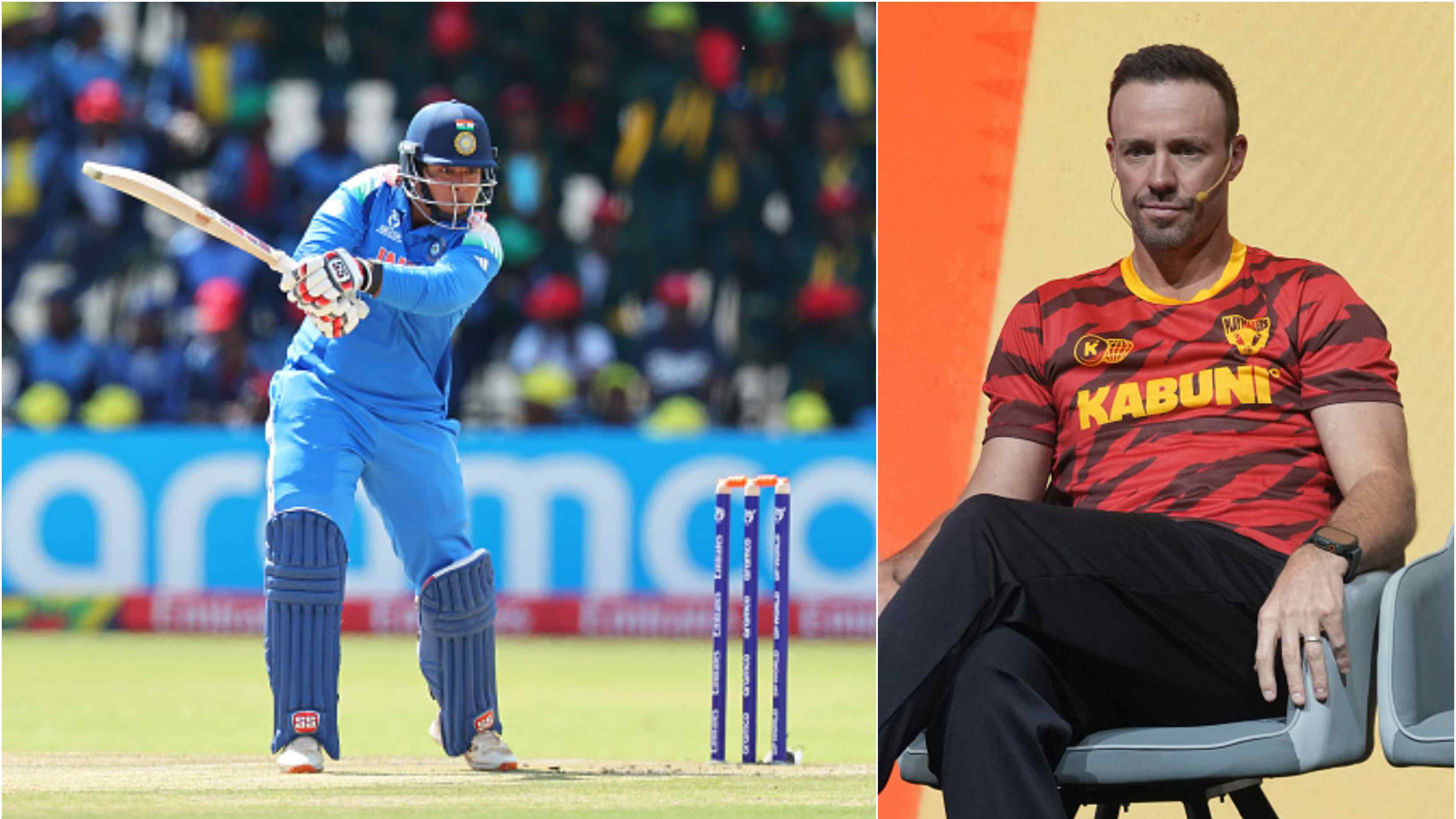
 Teenage batting prodigy Vaibhav Sooryavanshi recently earned his maiden call-up to India's T20I squad on the back of a record-breaking IPL 2026 campaign.
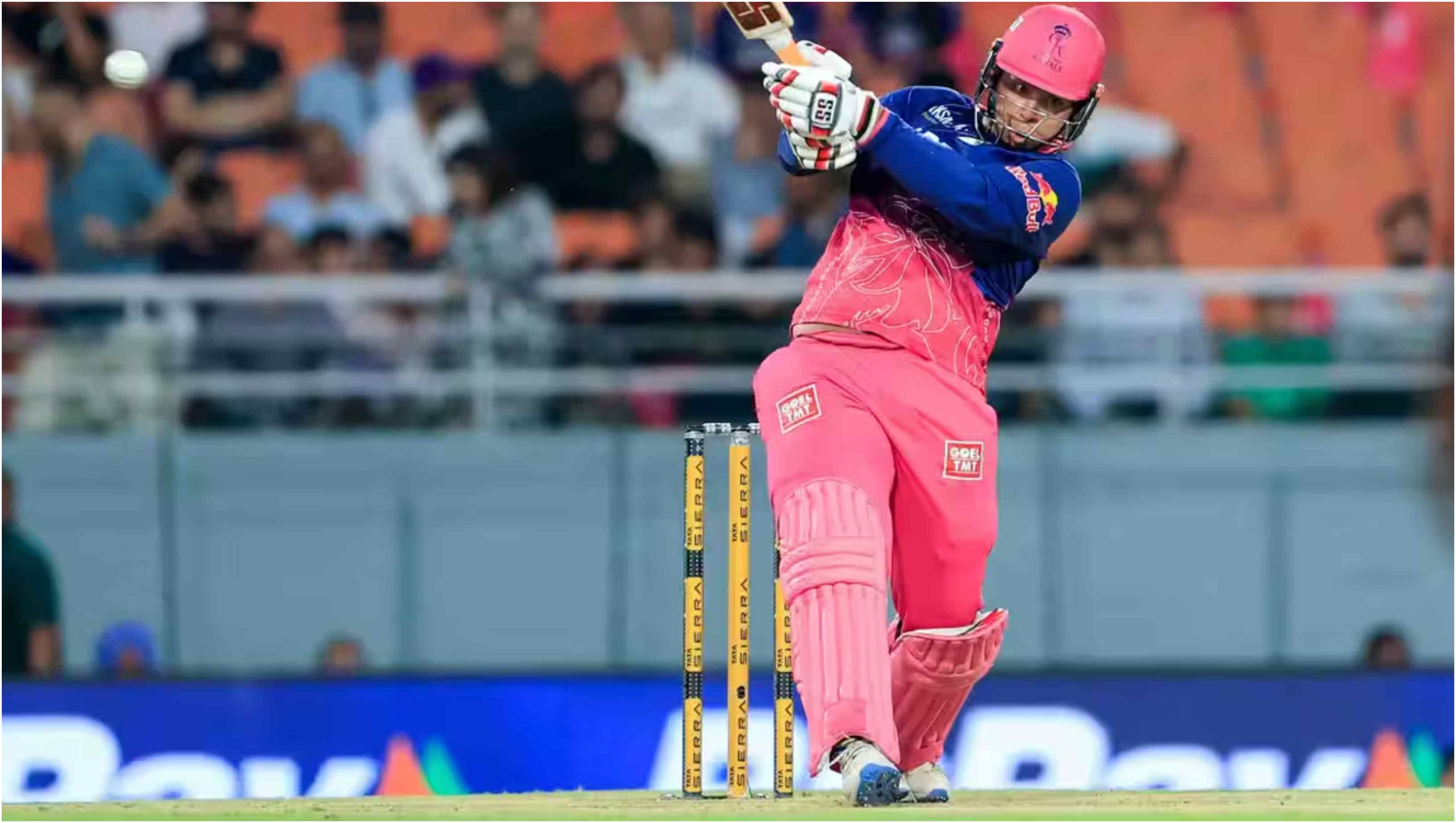
Playing for Rajasthan Royals (RR), the 15-year-old emerged as the youngest Orange Cap winner and Most Valuable Player, hammering 776 runs at an astonishing strike rate of 237.30 with one hundred, five fifties and a record 72 sixes.
With his unprecedented dominance in the IPL, Sooryavanshi received rich praise from legends like Sachin Tendulkar, Sunil Gavaskar, Kevin Pietersen, Nasser Hussain among others.
Australian great Greg Chappell has now joined the long list of admirers, hailing Sooryavanshi’s extraordinary talent in his latest column for ESPNCricinfo.
"When studying Sooryavanshi in full flight, one is immediately struck by a technical purity that elevates his work above the crude, muscle-bound power-hitting of the modern era. His clean, uninhibited bat swing possesses an organic symmetry that evokes cricket's finest aestheticians," Chappell wrote.
“In his elegant downswing and flawless balance, there are distinct echoes of the great Graeme Pollock and the incomparable Sir Garfield Sobers. When he slashes across the line or lofts over extra cover, one glimpses the ferocious, instinctive genius of Brian Lara, combined with the devastating, ball-one intent of Adam Gilchrist. It is a classic, pure method being deployed with contemporary violence, proving that his talent is a rare gift to the game,” he added.
While Chappell is in awe of the youngster, he believes that modern T20 cricket favor batters to an unbalanced degree. The 77-year-old heavily criticized the Impact Player rule, which allows IPL teams to substitute a specialist batter mid-game.
“As I watched this young left-hander take modern batting to a completely unheralded plane, a profound sense of unease accompanied the marvel. The central question we must now confront is clear: are we witnessing the magnificent evolution of T20 batting or are we presiding over the permanent evisceration of the contest between bat and ball?” he wrote.
To restore the balance between bat and ball, Greg Chappell also proposed a few suggestions. “The number of wickets a batting team is permitted to lose in a T20 innings should be reduced to six. Second, Administrators must mandate that a minimum of 3mm of live grass be left on all T20 pitches. Thirdly, I would recommend adjusting the lbw law so that any ball that is going on to hit the stumps, no matter where it pitches, is out,” he remarked.