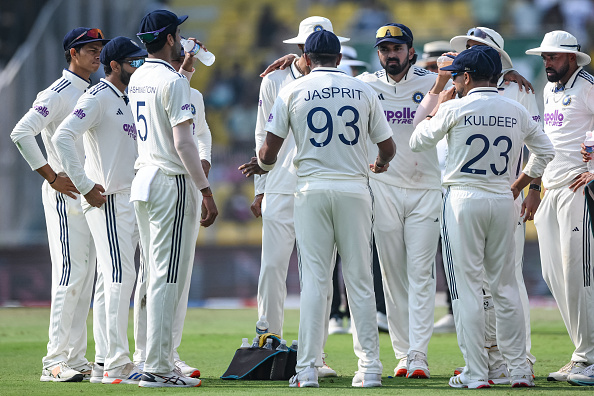
While India’s white-ball side has been performing exceptionally well under head coach Gautam Gambhir, producing trophies and strong win-loss records, that success has not translated to the traditional format.
With Gambhir at the helm, India have won seven, lost 10 and drew two of their 19 Tests so far, which includes a couple of clean sweeps against New Zealand (0-3) and South Africa (0-2) at home.
The team also conceded the Border-Gavaskar Trophy 1-3 in Australia. The only Test series wins under Gambhir's tenure have come against Bangladesh and the West Indies at home.
Reflecting on the team’s dipping Test performance, former head coach Rahul Dravid highlighted the challenge for India’s long-format batters who also consistently switch across for ODI and T20I commitments.
Dravid then stressed the importance of allotting preparatory time for India’s all-format batters, a concern than Test skipper Shubman Gill too had recently expressed.
Notably, Indian players didn’t get enough time to prepare for the home Test assignments against West Indies and South Africa last year.
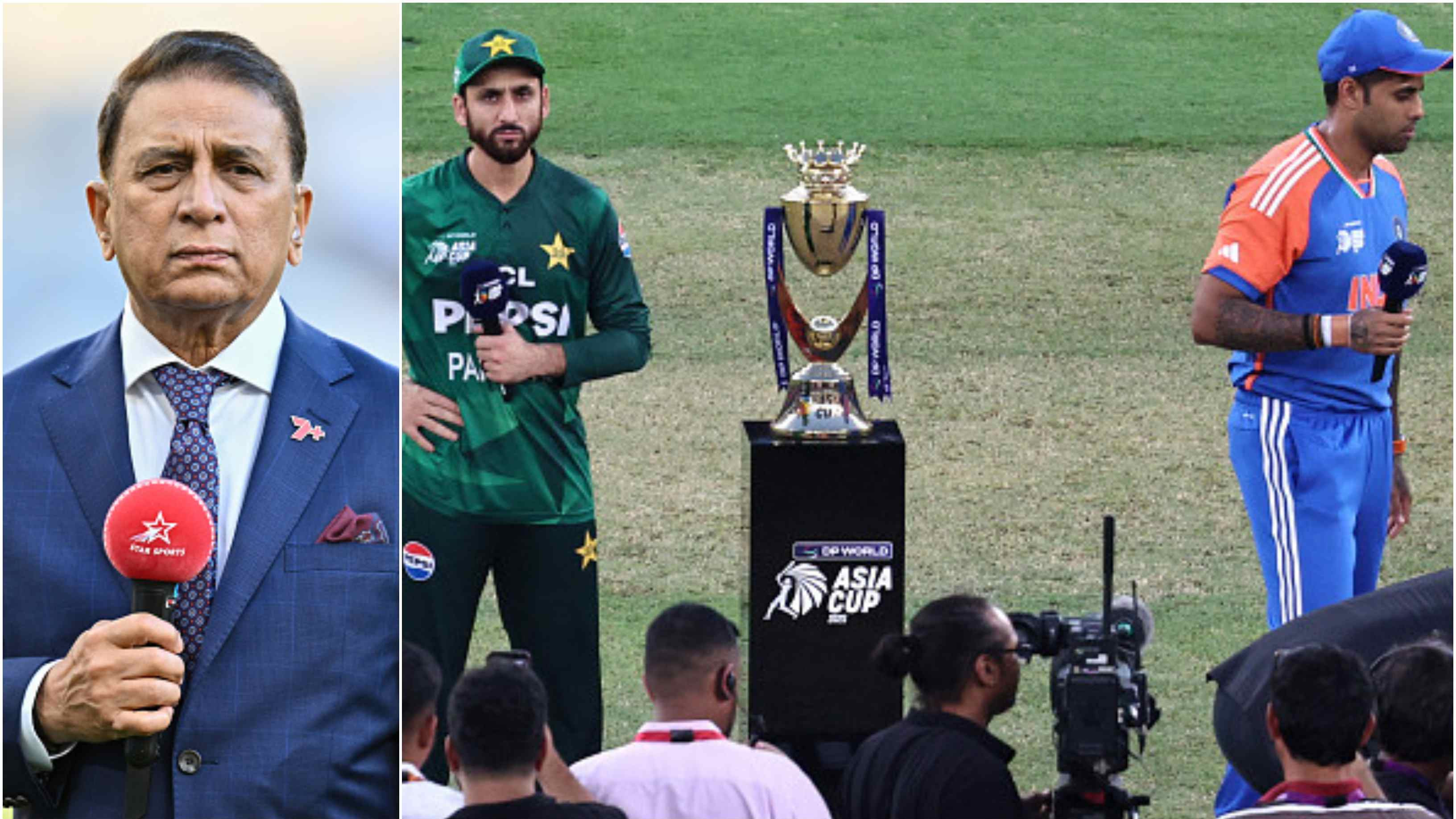
The two-Test series against West Indies got underway on October 2 and many players reached India just four days ahead of the campaign after playing Asia Cup 2025 in UAE. Similarly, Gill and several other Test players arrived in India from Australia just four days ahead of the South Africa series in November.
“One of the things I understood as a coach, especially the guys that play all three formats, they keep moving from one format to the other,” said Dravid while speaking at a book launch event in Bengaluru on Wednesday.
“There were times when we would get to a Test match three to four days before the match, and then when we start practising for the Test match, [and] when you look back at the last time that some of these guys had actually hit a red ball, it might have been four months ago or five months ago.
“That’s become really a challenge, how do you almost find the time to be able to develop some of the skills that are hard. To play on turning tracks, or play on seaming wickets, doing that for hours and hours in a Test match is not easy. It requires skill,” he added.
Dravid recalled his playing days when cricketers used to get ample time to switch between the Test and ODI format.
“Now, one of the things that has become a bit tougher in red-ball cricket is a lot of our guys who play all the three formats, or who play the amount of cricket that they are playing, sometimes don’t have the time to be able to practise red-ball cricket as much.”
“I think Shubman has kind of alluded to it a little bit, just recently, because I think he’s one who experienced that. He’s one who actually played recently for us in all of the three formats so I think he would have realised how difficult it is for him to actually gear up for the Test format,” Dravid remarked.
The former India captain also attributed the success of India’s T20I batting to the constant white-ball practice the batters are involved in.
“You look at the hitting part, and the way people are hitting today in white-ball cricket, it’s because they are able to practise it a lot more. A lot of these boys who spend two-and-a-half months in the IPL, all they are doing is practising how many sixes they can hit, so they are getting much better at it,” he stated.
India have nine Tests remaining in the ongoing World Test Championship 2025-27 cycle. The Shubman Gill-led side will tour against Sri Lanka (August 2026) and New Zealand (October 2026) for two Tests coach, before hosting Australia in a five-Test series in January-February 2027.