 Former India skipper Sunil Gavaskar has raised his voice against the big money being paid to uncapped players in the Indian Premier League (IPL).
The immense popularity of IPL has given the young talents a big stage to showcase their skills to the cricketing world. It has also led to an increase in the auction purse for the franchises.
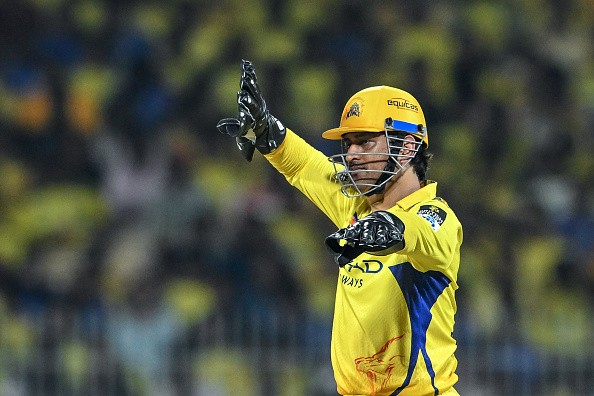
However, Gavaskar believes that the young uncapped players should not be paid too much. He also expressed his disappointment over BCCI tweaking the uncapped player rule, which allowed CSK to retain MS Dhoni for INR 4 crore.
"A whole lot of the players bought for huge amounts simply fade away as their hunger and drive are satiated. To the franchises, it perhaps doesn’t matter as they may feel it’s good riddance, but Indian cricket takes a bit of a beating at the loss of any player whether he has been successful or not. To accommodate Mahendra Singh Dhoni, who became an uncapped player before the auction last year, the limit was raised to ₹4 crore," Gavaskar wrote in his column for Sportstar.
When the BCCI announced the retention guidelines for the IPL 2025 season, it brought in the uncapped player rule to allow franchises to retain Indian cricketers who haven’t played international cricket for the past five years.
CSK made the most of this rule as they retained the 43-year-old Dhoni, who fit the bill having last played for India in the 2019 World Cup.
Gavaskar wants the BCCI to change the rule and reduce the amount for uncapped player retention.
“In all these years, it is hard to recall an uncapped player bought for huge numbers who has justified his inclusion in the team. Maybe over the next couple of years, he may get a bit better with experience, but if he is playing in the same local league, then that chance of improvement doesn’t get much better,” he added.
Royal Challengers Bengaluru paid Rs 6 crore for uncapped pacer Rasikh Dar ahead of the mega auction. However, the 25-year-old has only played two matches this season so far.
Gavaskar also mentioned that with the big price tag comes an expectations factor, and many young players fail to live up to it.
"What does happen is that if in the next auction his price comes down, then the pressure of expectations also comes down and the player plays a lot better," he wrote.