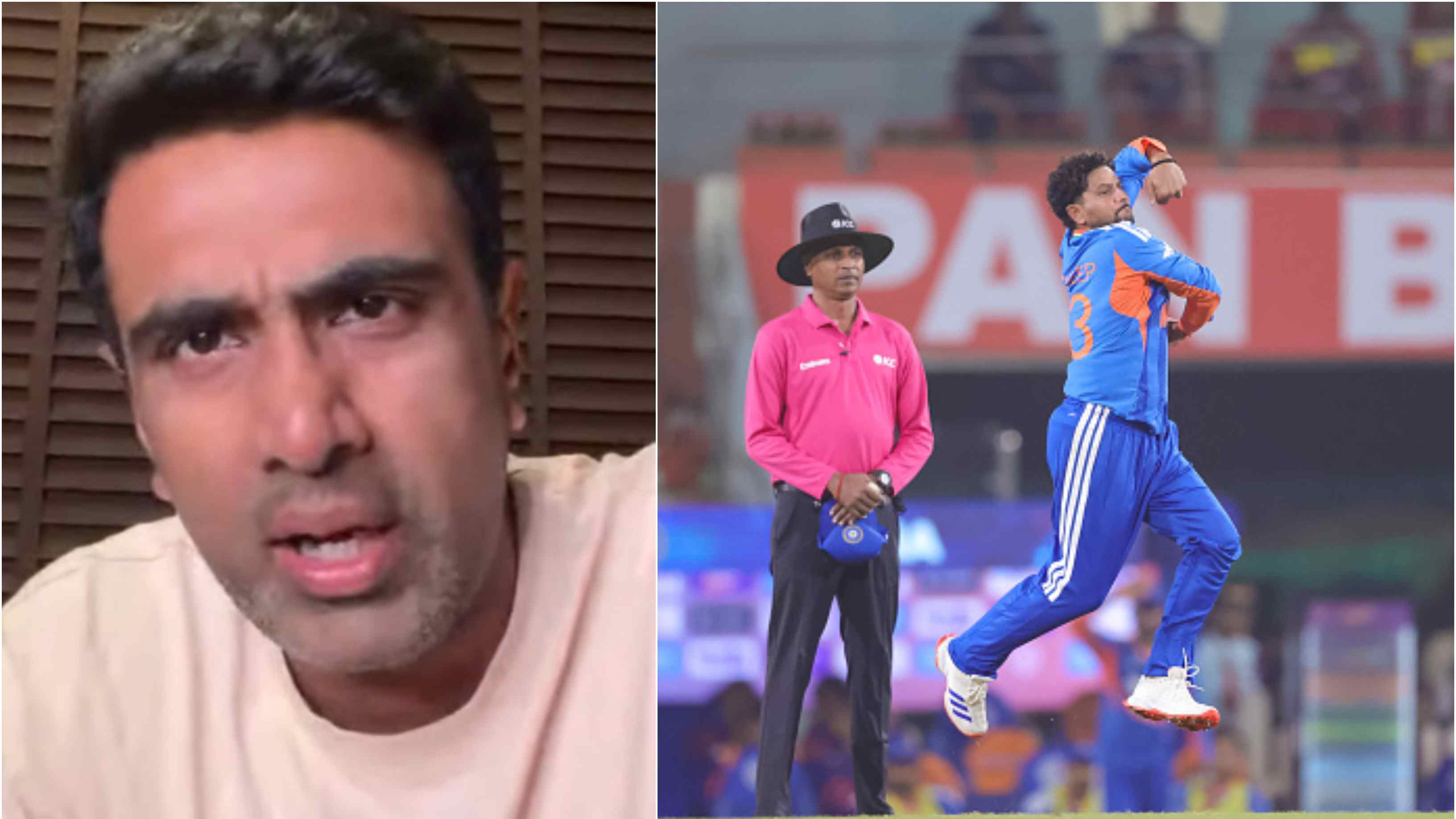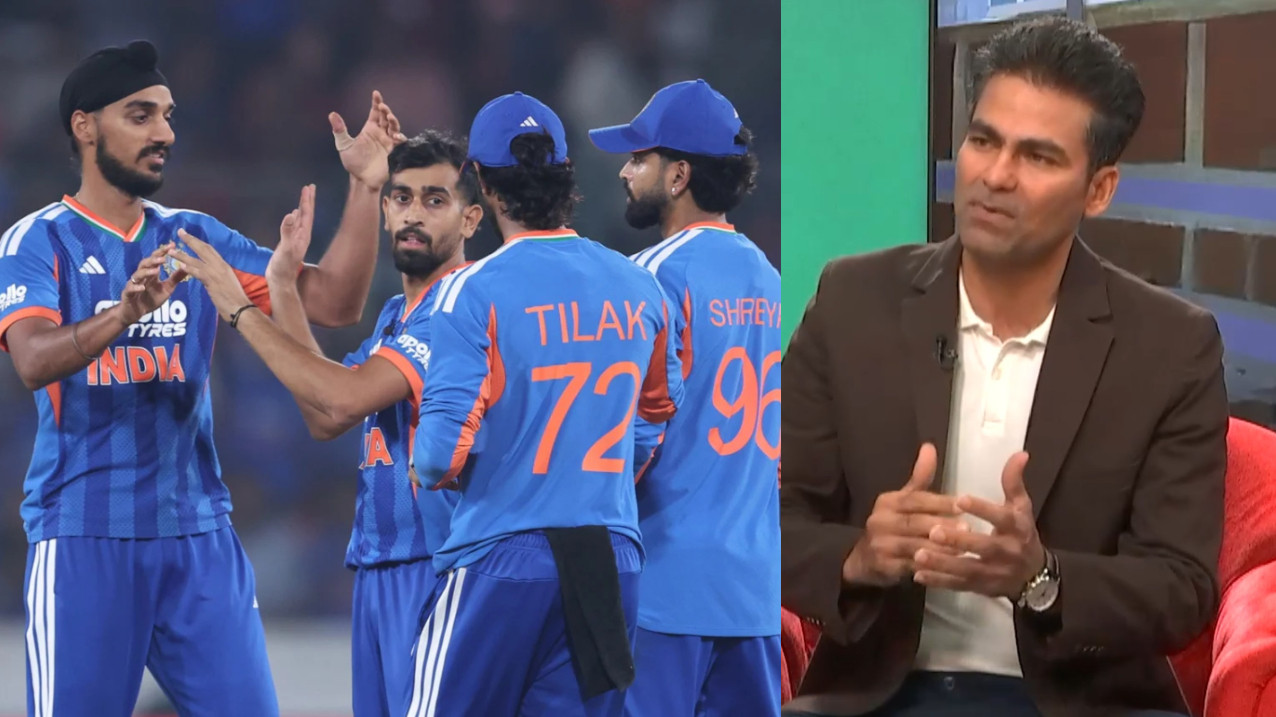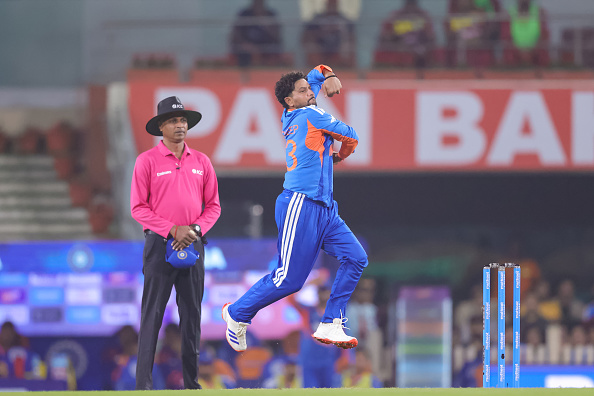
Following India’s 24-run defeat in the fourth T20I against the West Indies in Hyderabad, former pacer Varun Aaron argued that the hosts needed to drop a defensive approach and add wrist-spinner Kuldeep Yadav back into the lineup to explicitly hunt for wickets.
With the five-match series leveled at 2-2, the pressure shifted to India’s struggling bowling unit to contain the explosive Caribbean batting lineup in the series-decider at Bengaluru’s Chinnaswamy Stadium.
The iconic venue is famous for its flat pitch, high altitude, and short boundaries, making it a paradise for batters and notoriously difficult for bowlers to defend totals.
Aaron noted that Yuzvendra Chahal, who is commentating in the ongoing India-West Indies series, is the perfect example of how to handle these conditions. During his time with the RCB, Chahal found massive success by accepting that he would get hit, opting to entice batters and aggressively hunt for wickets rather than bowling defensively to restrict runs.
Aaron argued that India must avoid a "save your skin" defensive mindset. Instead, he advocated playing Kuldeep as part of a five-frontline-bowler attack to aggressively force wickets in the middle overs.
"Kuldeep Yadav has to play, especially at the Chinnaswamy Stadium. Yuzvendra Chahal was doing commentary with us. He is the finest exponent of how to get wickets in a stadium like that. Again, a wrist-spinner. Chinnaswamy Stadium is one of those grounds where if you just go to save your skin and try to be defensive, you are going to go for plenty," Aaron said while speaking on Star Sports after the fourth T20I.
"The only way you can be defensive there is to absolutely attack and try to get wickets. So I would say play Kuldeep Yadav. Take a punt with five bowlers. You can bat till seven. There is no problem. You have a couple of all-rounders there. So bat till seven, play five bowlers, and win the trophy," he added.
Kuldeep Yadav claimed three wickets at an economy rate of 10.75 in the first two T20Is against the West Indies before being benched.
In the penultimate match, the visitors piled up a massive total of 247/3 after being invited to bat first, exposing India's bowling unit once again.
In the same interaction, Varun Aaron also addressed what the Indian bowlers need to fix ahead of the fifth and final T20I.
"I would say plans from the bowlers. I think the plans were off. You have got to assess the wicket. You have got to know when to bowl your variations, and you have to keep hitting the wickets. I think in the last two games, India were really good at hitting the wickets," he stated.
Aaron highlighted a common tactical flaw: when Indian bowlers get hit for a few boundaries, they quickly abandon their primary strategy out of pressure. Instead of maintaining a hard length or using variations, they default to bowling full, which plays right into the West Indies batters' strengths.
"Let's take the example of Arshdeep Singh vs Shai Hope - he hit the wicket. The moment they go for one or two boundaries, India resorts to plan B immediately, which is to bowl full. If you see the amount of sixes West Indies have hit, there is a reason for it, because India have actually fed them with a lot of full balls," he further remarked.