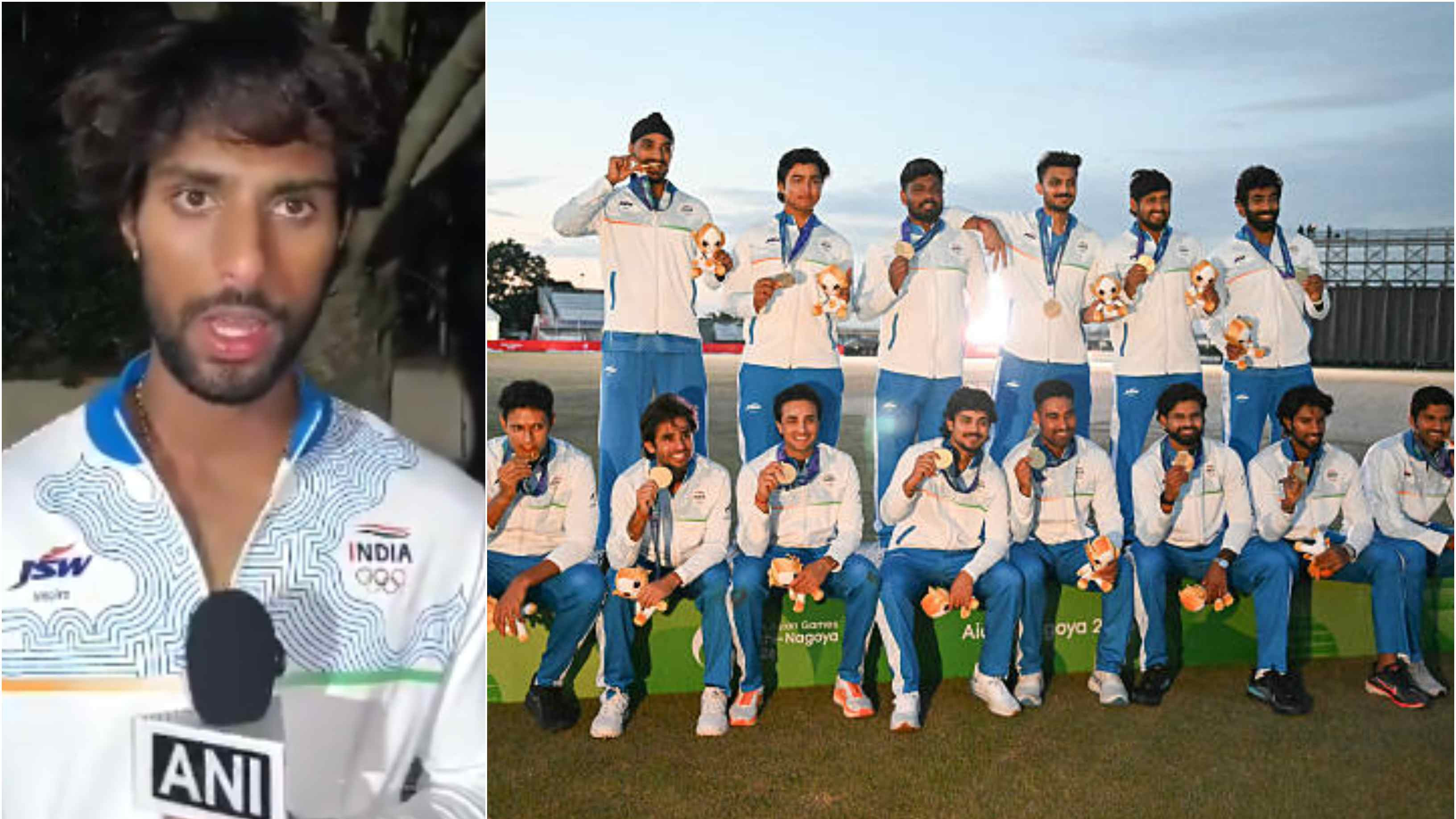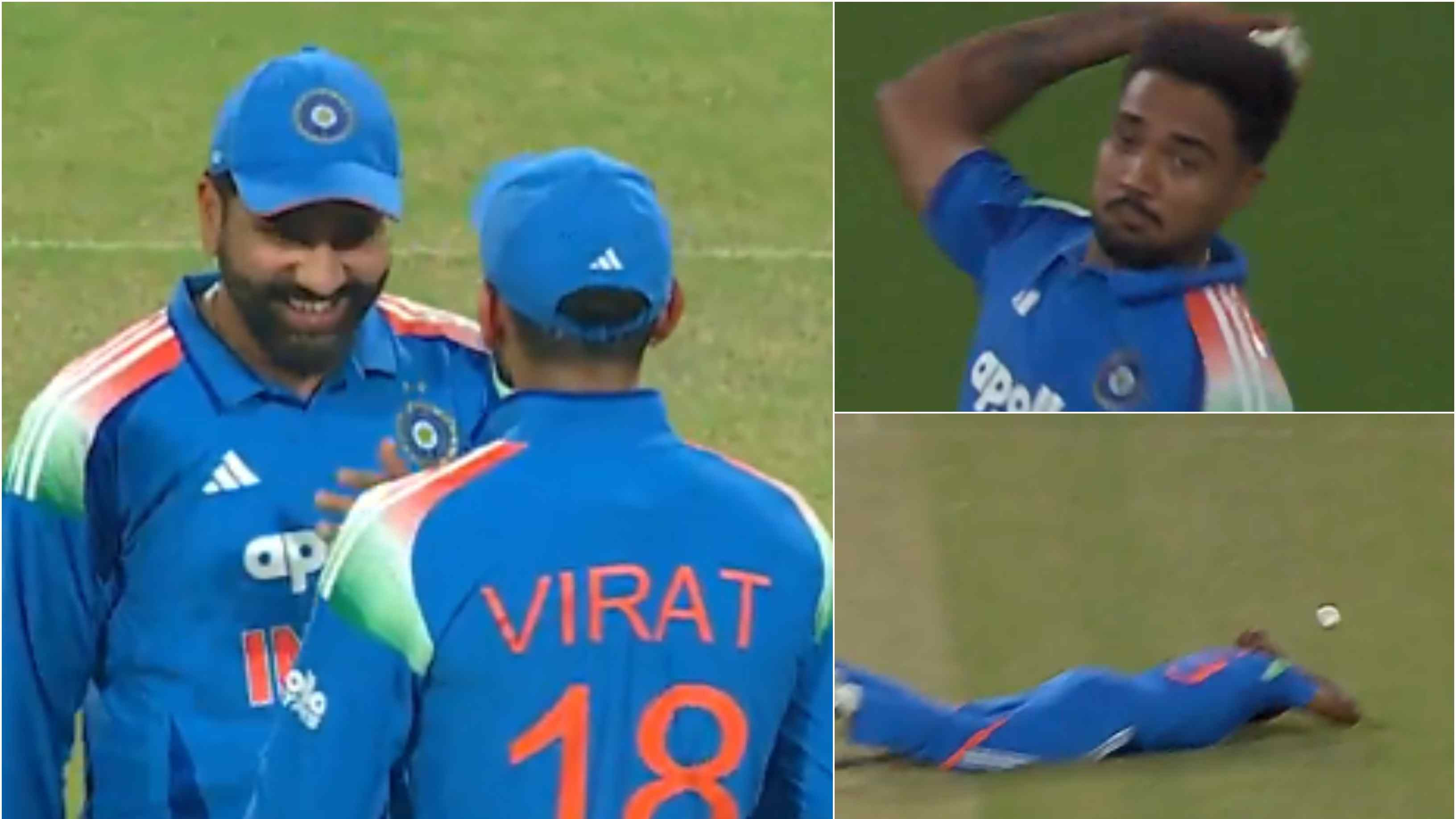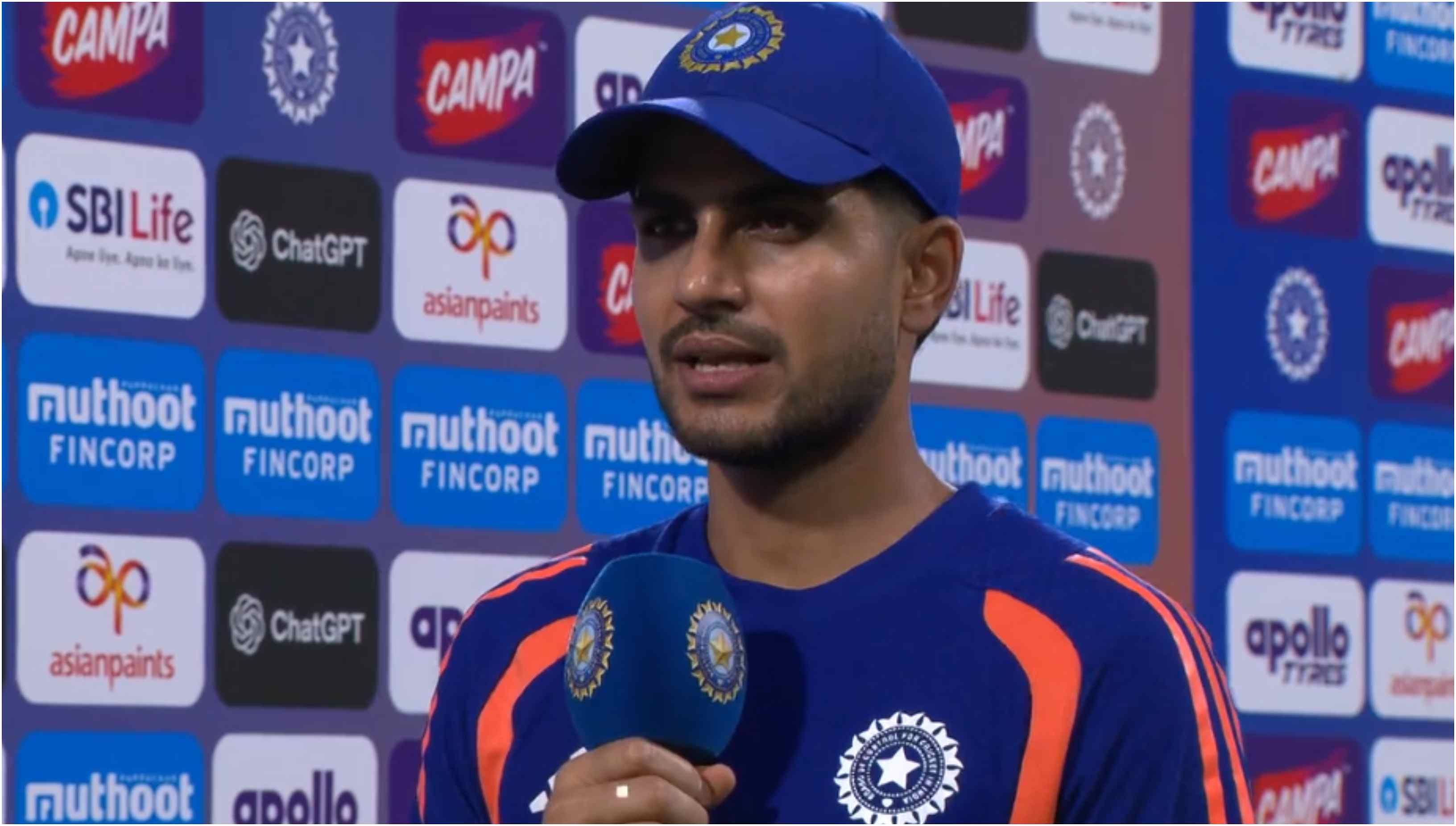
India skipper Shubman Gill was pleased with his side’s 2-1 ODI series win over the West Indies but admitted there is plenty of room for improvement after the hosts failed to defend a massive score of 351/7 in the third match in New Chandigarh on Saturday (October 3).
Opting to bat first, the Men in Blue were reduced to 4/2 in the first three overs when they lost Gill (1) and Virat Kohli (0) off consecutive deliveries from Jayden Seales (3/45). However, KL Rahul's unbeaten 129 and half-centuries from Rohit Sharma (92) and Ruturaj Gaikwad (57) took India to a formidable total.
In reply, Shai Hope produced an unbeaten knock of 162 at a strike rate of 113.29 as the Caribbean team pulled off their highest successful ODI chase with five wickets in hand and 10 deliveries to spare.
Speaking during the post-match presentation, Gill noted that India had the match under control for most of the run chase but ultimately let it slip during the final overs, largely impacted by falling four overs behind the over-rate schedule.
“There were a lot of boxes ticked. There are still some areas that definitely need fine-tuning. I was very happy with the total and I think the game was in control. But being four overs behind and then in the last few overs, they took the game away from us,” Gill said.
Gill explained that he resisted bringing premier wrist-spinner Kuldeep Yadav back into the attack earlier because young pacer Gurnoor Brar was suffering from cramps. The uncertainty over whether Brar could finish his quota forced the captain to hold back Kuldeep's remaining overs for the backend of the innings.
“[On whether there was a temptation to bring Kuldeep Yadav into the attack earlier] No, not really. We didn't know if Gurnoor was gonna come back and bowl with his cramps. So there was a bit uncertainty there. And we knew the match is gonna go till the end. And, he's a wicket-taker and I wanted his couple of overs to be there in the end,” he added.
With the ICC Men’s Cricket World Cup only a year away, Gill heavily scrutinized India's fielding and death bowling. He cited that dropping six or seven catches across the three games was unacceptable and admitted that the bowling unit lacked clear tactical direction when the opposition was multiple wickets down in the death overs.
“Decently pleased I would say, but like I said, I think there are still some areas. Our fielding could be much better. Overall in the series I think we dropped around six or seven catches, which is not a good sign leading up to the World Cup. You want your fielding to be top notch.
“Death bowling as well. I feel, sometimes we are not really clear whether we are attacking or we are defending, especially when we are bowling the death overs. One day such a game, if the opposition is five or six down, you are never really sure what fields to take, whether we are going for the death too early or we are still bowling kind of like middle overs. I think these are some areas which definitely we need to be better at,” he remarked.
Reflecting on his early dismissal, Shubman Gill said he didn’t think he could have done much differently against the delivery.
“You're always disappointed whenever you get out early. But I think today, I don't think I could have done much that I would have done on that ball,” he concluded.