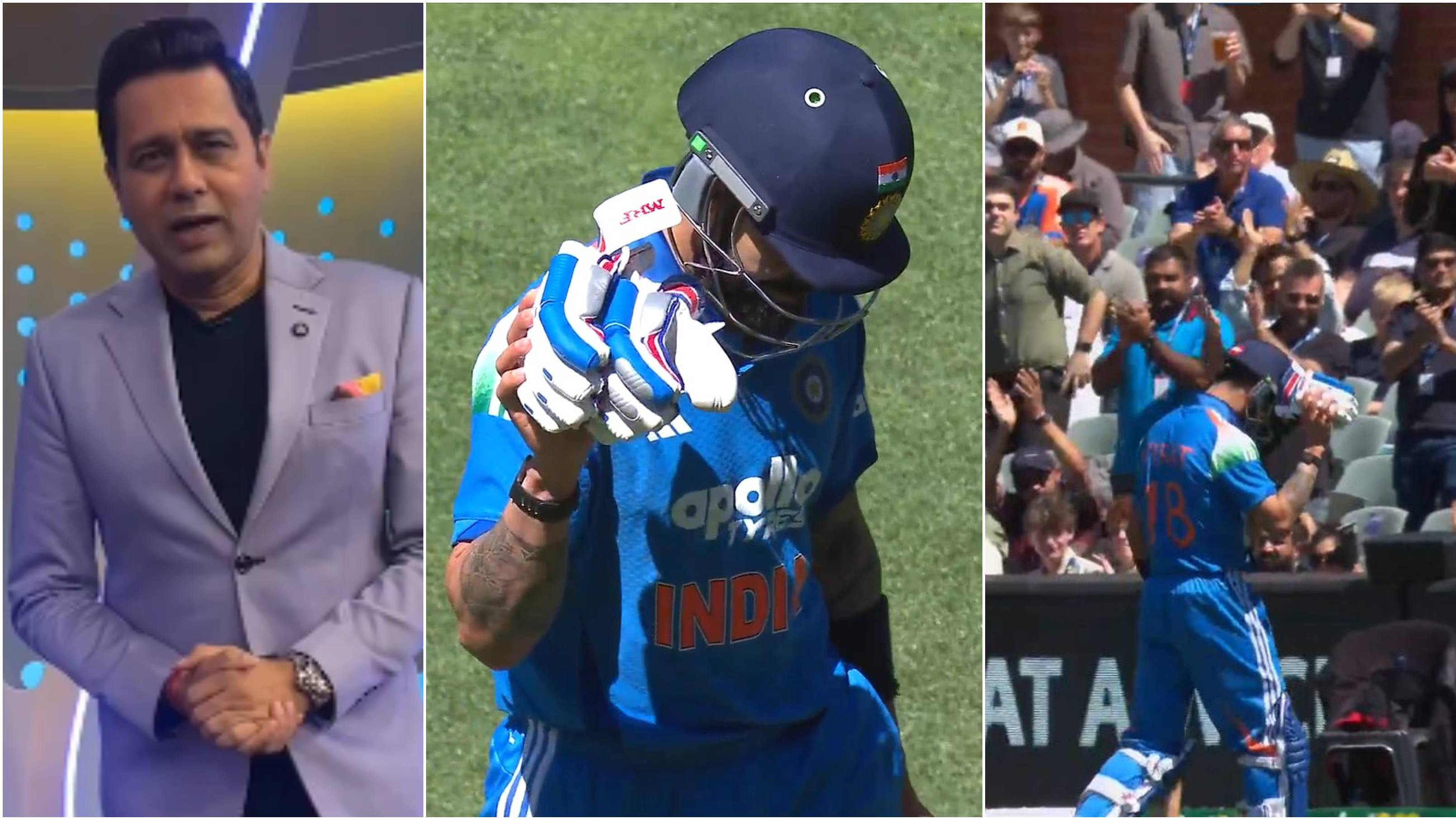
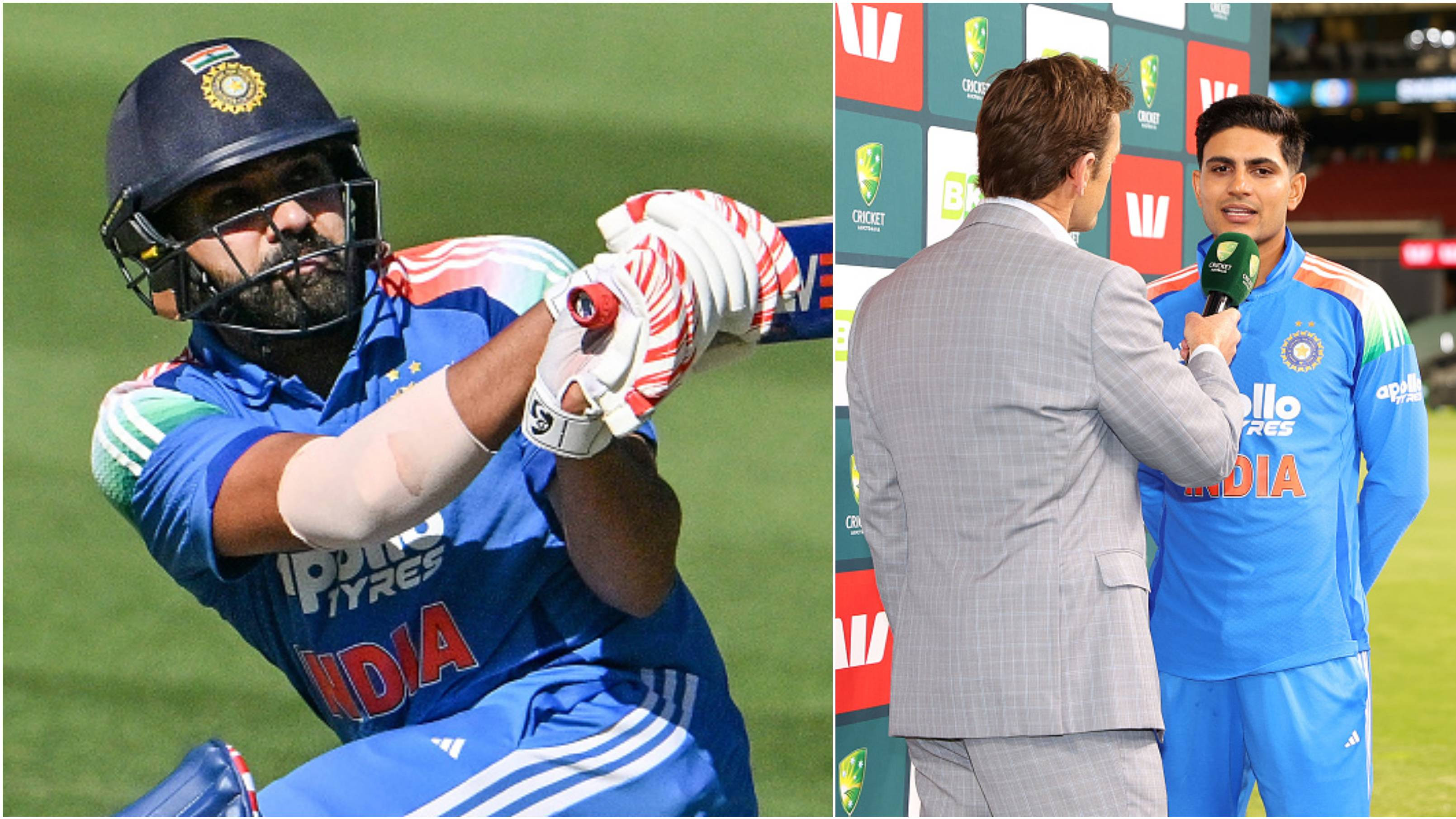
India batter Shreyas Iyer stressed the importance of managing workload across formats to maintain intensity, especially in red-ball cricket.
Addressing the media after India’s two-wicket loss to Australia at the Adelaide Oval, Iyer narrated how the workload management coupled with technical adjustments have helped him remain consistent and confident.
Notably, the 30-year-old wrote to the BCCI last month, seeking permission to take a six-month break from red-ball cricket after experiencing stiffness in his back.
“When I field for long hours in red-ball cricket, I've realised my intensity tends to drop. At the international level, that can make a difference. In ODIs, you have rest days and time to recover, so it's easier to manage. Based on that, I've planned my approach,” Iyer told reporters.
The right-hander said he had been working on his technique over the past year and decided to revert to the more upright stance he used during his formative years.
“The technique I've got lately is not something that I've changed suddenly. Since last year, I wanted to have an upright stance, especially on wickets where the bounce is a little more than expected. I worked with my coach on it, and it has been suiting me quite well. I grew up playing with that kind of stance, so I just thought of going back to my old method and seeing how it works out,” he stated.
Iyer explained that being able to tweak his stance according to the conditions has become an important part of his game.
“Even in Mumbai, when we play on red-soil wickets with extra bounce, an upright stance helps. You have to keep chopping and changing because every surface is different. I've changed my stance several times now, and I feel I can adapt anywhere at the moment,” he added.
During his 61-run knock in Adelaide, Shreyas Iyer was involved in a crucial 118-run stand with Rohit Sharma.
Reflecting on the partnership, Iyer said: “Hazlewood was bowling brilliantly. The ball was seaming in and out, and it wasn't an easy wicket to bat on at the start. We wanted to have an attacking approach but also rotate strike as much as possible. It was about ensuring we reached a total from where we could put pressure on the bowlers later.”
Iyer also praised Australia’s strong batting, particularly youngster Cooper Connolly. “I was fielding on the far end, so I couldn't exactly tell when the wicket changed. But credit where it's due — they batted superbly. They rotated strike well, and Cooper, especially being a youngster, showed a lot of maturity to finish off the game,” he said.
On balancing domestic and international cricket, Iyer remarked, “I don't see much of a challenge. It's about adapting to the conditions and being match-prepared. Domestic cricket gives you that confidence, and recently, the India A series also gave me a good boost before coming here.”
Shreyas Iyer admitted that the team was disappointed after losing the series but praised the Australian bowlers for exploiting the conditions well.
“It definitely hurts. The first game wasn't convincing because rain played an important role and conditions favoured them. But this match was a do-or-die one for us, and we wanted to put our best foot forward. Losing early wickets made it difficult, and the Australian bowlers took full advantage,” he said.